Tay Keith Cause of Death: What Happened to the Grammy-Nominated Producer?

By Stateupdate Media Group |SMGFriday, June 19, 2026 · 1:52 AM
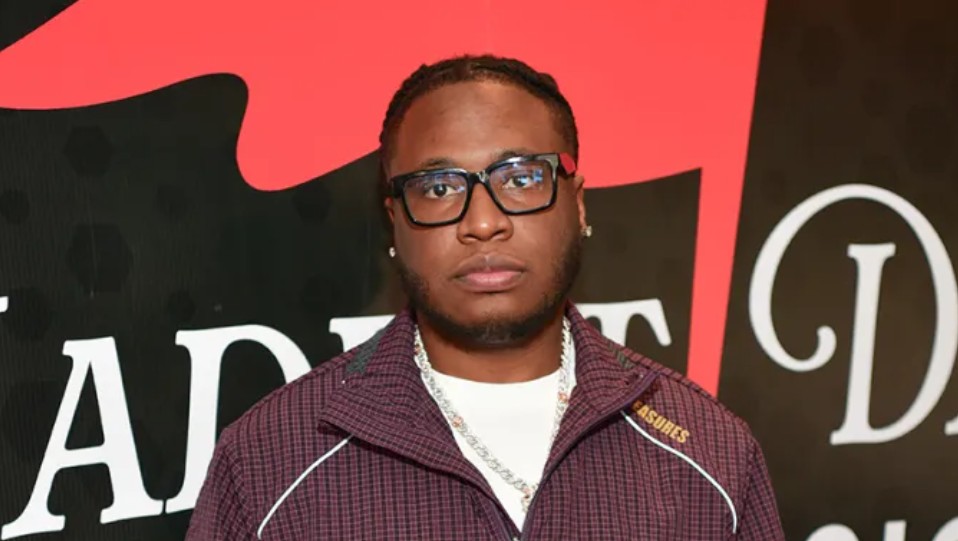
In a devastating blow to the music world that has left fans and fellow artists reeling, Grammy-nominated producer Tay Keith was found dead at the age of just 29 in his Nashville apartment on Thursday afternoon.
The Memphis native, whose real name was Brytavious Lakeith Chambers, crafted some of the most explosive and defining sounds in modern hip-hop and rap over the past decade. As tributes pour in from superstars like Travis Scott, Drake, and rising voices across the genre, questions swirl around the sudden tragedy, with authorities confirming no foul play is suspected while the official cause of death remains unknown pending autopsy results.
Tay Keith’s beats weren’t just background—they were the heartbeat of an era. That unmistakable hard-hitting, trunk-rattling production style became a signature stamp on chart-topping anthems that dominated playlists, clubs, and stadiums alike. From Travis Scott’s genre-bending smash “Sicko Mode” to Drake’s infectious “Nonstop,” BlocBoy JB’s “Look Alive,” and Sexyy Red’s viral “Pound Town,” Tay Keith helped shape the sonic landscape that propelled hip-hop into its current global dominance.
His ability to blend Southern grit with stadium-sized energy made him one of the most sought-after producers of his generation, earning him a Grammy nomination, BMI Producer of the Year honors, and a spot on Forbes’ prestigious 30 Under 30 list.
The news of his passing broke rapidly on Thursday, sending shockwaves through the industry. Metro Nashville Police Department officers conducted a welfare check at his Martin Street apartment and discovered him unresponsive. Officials have stressed that the death is currently unclassified as they await full autopsy findings, which could take days or even weeks to determine.
In the high-pressure world of music production, where late nights, relentless deadlines, and the demands of fame often blur the lines between creativity and burnout, Tay Keith’s untimely death has ignited conversations about the hidden costs behind the hits.Born and raised in South Memphis, Tay Keith’s journey from local talent to international hitmaker embodied the raw ambition and talent that defines the city’s influential sound. He first broke through in the late 2010s, collaborating with local artists before catching the attention of major names.
His beats carried that unmistakable Memphis bounce mixed with modern trap elements, creating records that felt both nostalgic and futuristic. Collaborators often described him as a quiet genius in the studio—focused, innovative, and deeply committed to perfecting every kick, snare, and melody.In recent years, Tay Keith had been riding high.
Fresh off major placements and continued work with A-list artists, he seemed poised for even greater success. His last public posts on social media reflected a man still deeply passionate about the craft, celebrating new music and the thrill of creation. Friends and fellow Memphis artists, including Key Glock, have shared heartfelt tributes online, remembering not just the producer but the humble, driven individual who never forgot his roots.
The outpouring of grief highlights how deeply embedded Tay Keith had become in the fabric of contemporary rap culture.What makes this loss particularly jarring is the age at which it occurred. At 29, Tay Keith was still in the early prime of what promised to be a legendary career.
The music industry has seen too many young talents taken too soon, often sparking renewed scrutiny on mental health support, substance use pressures, and the physical toll of constant touring and studio grinds. While no specific details about Tay Keith’s personal struggles have emerged, his death adds another name to a growing list of young creatives whose full potential was cut short before the world could witness their complete evolution.
Industry insiders note that producers like Tay Keith operate behind the scenes but carry enormous invisible weight. They are the architects of hits that generate millions in streams, shape artist careers, and influence cultural moments. The constant demand to deliver the next big sound can be exhausting, with irregular hours and the challenges of maintaining creative freshness under intense spotlight.
As fans speculate online about possible underlying health issues or other factors, authorities continue to urge patience, reminding everyone that official answers will come from the medical examiner’s office in due time. The economic and cultural ripple effects of Tay Keith’s contributions are hard to overstate. His production work helped boost the visibility of Southern rap on a global scale, opening doors for a new wave of artists from Memphis and beyond.
Songs bearing his tag became cultural phenomena, played at sports events, in films, and across social media challenges that racked up billions of views. Streaming numbers for his biggest tracks have already surged in the hours since the news broke, a bittersweet testament to his lasting impact. Artists across genres have taken to social media to express their condolences and share memories.
Many recall late-night studio sessions where Tay Keith’s perfectionism pushed everyone to elevate their game. Others highlight his generosity in working with up-and-coming talent, paying forward the opportunities that launched his own career.
In Memphis, where music serves as both economic engine and emotional outlet, the mourning feels especially profound. Local radio stations and community leaders have begun planning tributes to honor a hometown hero who put the city’s sound on the map.
As the hip-hop community processes this profound loss, broader discussions about artist and producer wellness are gaining traction once again. Calls for better mental health resources, regular health check-ups, and sustainable work practices in the music business are growing louder.
Tay Keith’s passing serves as a painful reminder that behind every banging beat and chart-topping record stands a human being navigating the same pressures, joys, and vulnerabilities as everyone else.
For now, the world waits for more information about the circumstances surrounding his death. Police have not released additional details from the apartment, and the family has requested privacy during this incredibly difficult time. In the absence of concrete answers, fans and admirers are turning to his music—streaming his catalog, sharing favorite tracks, and celebrating the sonic legacy he leaves behind.
Tay Keith’s story is one of meteoric rise, undeniable talent, and now, heartbreaking brevity. From the streets of South Memphis to sold-out arenas filled with fans chanting along to his productions, he carved out a place in music history that few achieve in a lifetime, let alone before turning 30.
His beats will continue to blast from car speakers, echo in clubs, and inspire new generations of producers long after the final notes fade.The music industry has lost a true visionary whose influence transcended individual songs to help redefine an entire era of rap. As tributes continue to flood in and his catalog sees renewed life, one thing remains crystal clear: Tay Keith’s sound is immortal.
The void he leaves in hip-hop is massive, but the foundation he built will support countless artists for years to come. In the days and weeks ahead, as more details potentially emerge from the autopsy, the focus will likely shift from speculation to pure celebration of a life dedicated to creating music that moved millions. For a producer who let his beats do the talking, the silence now feels especially loud. Rest in power, Tay Keith—your drums still knock, and your legacy bangs on.
Follow www.stateupdate.co.ke for more newsupdates

ABOUT THE WRITER
Stateupdate Media Group |SMG
Contributor at State Update.
Related News

Citizen Tv Rashid Abdalla Sad As Kidney Complications Patient Narrates Her Story

TSC Secondary School Teachers Jobs Per County, School and Subject In May 2025: Check out

3 Dead, 75 Cases Of Hantavirus Recorded WHO Issues Warning

Free Huawei DigiTruck IT Training for West Mugirango Youths

Gachagua’s Plan If Opposition Picks New Face to Fight Ruto in 2027

Shock as Nyamira Teacher Beaten by Headteacher in Front of Students
Latest News

Martha Karua Set to Grace Nakuru as PLP Opens New Offices, Farmers Party Joins Opposition Camp

Ugandans in Kenya Warned After Ruto’s Urgent Directive

Mount Kenya Hawkers Accused of Double Standards Over Ruto’s Foreign Traders Directive: Senator Samson Cherargei Sparks Debate

CS Joho and MP Sudi Deliver Ruto’s Condolences to Tanzania’s President Samia

Kenyans In Burundi Sent A Strong Message By The Government