Peace Deal Signed: Why Iran Just Walked Away Before Talks Even Started

By Stateupdate Media Group |SMGFriday, June 19, 2026 · 1:38 AM
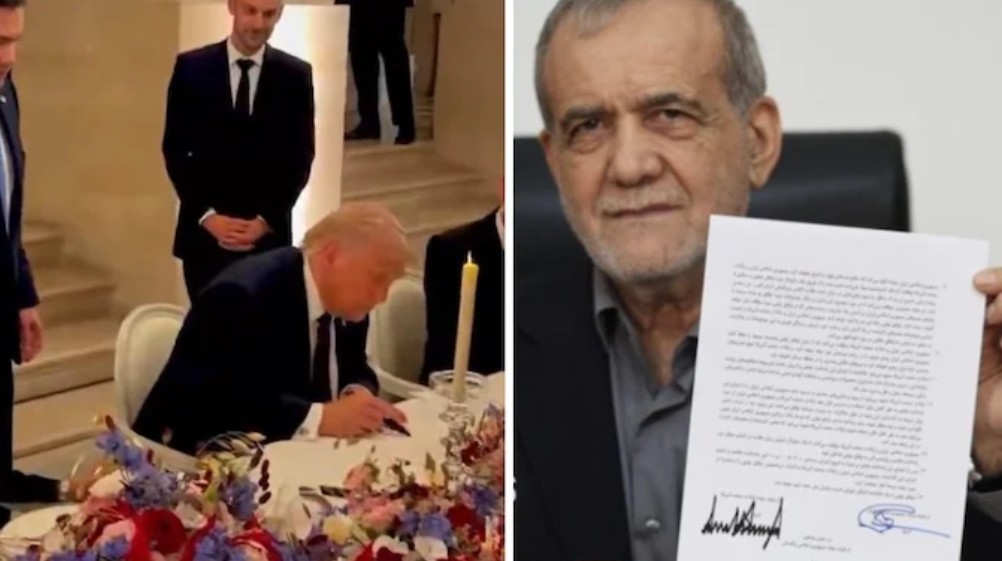
In a stunning diplomatic breakthrough that few saw coming, President Donald Trump and Iranian leaders have inked a Memorandum of Understanding to halt active hostilities in the U.S.-Iran conflict, only for the fragile pause to face immediate tests just hours after the ink dried. Mediated quietly by Pakistan, the agreement opens a critical 60-day window for broader negotiations aimed at ending a war that erupted earlier this year following U.S.-Israeli strikes in February.
While markets are already cheering the news with rising stocks and gasoline prices dipping below four dollars a gallon, fresh accusations and military posturing threaten to unravel the deal before it can deliver lasting peace.
The memorandum, described by White House officials as a “practical first step toward stability in the Middle East,” includes several concrete provisions designed to de-escalate one of the most volatile regions on the planet.
Central to the accord is the immediate reopening of the Strait of Hormuz to international shipping without the controversial tolls Iran had previously threatened to impose. This vital waterway, through which roughly one-fifth of the world’s oil passes, had become a flashpoint that rattled global energy markets for months.
The deal also promises phased sanctions relief for Iran in exchange for enhanced International Atomic Energy Agency (IAEA) inspections of its nuclear facilities.Perhaps most notably, the framework outlines $300 billion in reconstruction funds for war-torn areas, sourced entirely from Gulf states rather than American taxpayers.
Trump has repeatedly emphasized this aspect, framing it as a smart deal that leverages regional wealth to rebuild without burdening U.S. families. “No more endless wars and no more blank checks from American pockets,” a senior administration official told reporters on background.
The memorandum stops short of a full peace treaty but creates breathing room for diplomats to tackle thornier issues like Iran’s regional proxies and long-term security guarantees.The agreement emerged after intense back-channel talks hosted in Islamabad, where Pakistani officials played a pivotal bridging role between Washington and Tehran.
Sources familiar with the negotiations described marathon sessions that stretched into early morning hours, with Pakistani Prime Minister’s office facilitating direct lines of communication. For Trump, the move represents a bold return to his “maximum pressure” doctrine’s evolution—combining tough military positioning with pragmatic deal-making that he argues his predecessors failed to achieve.Yet even as celebrations ripple through energy trading floors and stock exchanges, cracks appeared almost instantly.
Iranian officials announced a pause in their delegation’s travel to planned follow-up talks in Switzerland, citing alleged Israeli violations of the spirit of the agreement. Tehran pointed to continued Israeli operations and presence in southern Lebanon as direct provocations that undermine the de-escalation effort.
In response, Israeli Prime Minister Benjamin Netanyahu made clear his forces would not withdraw from key positions in southern Lebanon, describing them as essential for Israel’s security amid ongoing threats from Hezbollah and other Iranian-backed groups.This immediate pushback highlights the complex web of alliances and animosities that make Middle East peace so elusive.
The U.S.-Iran war, which began with targeted strikes against Iranian nuclear and military sites in February, quickly drew in regional players and sent oil prices soaring past $150 per barrel at their peak. Global supply chains shuddered, inflation fears resurfaced, and shipping companies rerouted vessels at enormous cost.
The memorandum’s success in reopening the Strait of Hormuz could therefore prove transformative for the world economy, potentially easing pressure on consumers already grappling with higher costs for everything from groceries to gasoline.
Energy analysts predict that sustained implementation of the deal could stabilize crude prices around $60 to $70 per barrel, providing welcome relief to American drivers and manufacturers. Major indices on Wall Street jumped in after-hours trading following the announcement, with oil companies showing mixed results as lower energy prices benefit broader sectors while pressuring pure-play producers.
“This is the kind of uncertainty reduction markets crave,” noted one veteran commodities trader. “Even a temporary pause is worth its weight in gold when the alternative is prolonged disruption.” Public reaction in the United States has been cautiously optimistic, with many praising Trump’s willingness to pursue deals that deliver tangible benefits.
Polling conducted in the immediate aftermath shows a majority of Americans supporting efforts to wind down the conflict, provided U.S. interests and ally security remain protected. However, foreign policy hawks in Congress have voiced skepticism, questioning whether Iran can be trusted to honor IAEA inspection commitments or refrain from supporting militant groups.
Iranian state media, meanwhile, portrayed the memorandum as a victory for resistance against Western pressure, while carefully framing the sanctions relief and reconstruction funds as long-overdue reparations. Domestic audiences in Iran, exhausted by economic hardship and conflict, appear eager for any sign of normalization that could improve daily life.
Yet the swift decision to pause the Swiss delegation underscores deep distrust that persists on all sides.The role of Pakistan as mediator adds another fascinating layer to this story. Long viewed as a complicated player in regional dynamics, Islamabad appears to have capitalized on its relationships with both Washington and Tehran to carve out a diplomatic win.
Pakistani officials have remained tight-lipped on details, but analysts suggest the mediation effort could strengthen the country’s international standing and open doors for future economic cooperation.Looking ahead, the next 60 days will be make-or-break for this budding peace process.
Diplomats from multiple nations are expected to converge in neutral venues to hammer out more permanent arrangements. Key sticking points include the future of Iran’s nuclear program, the status of proxy militias across Iraq, Syria, and Yemen, and security arrangements that satisfy both Israeli and Iranian concerns. Success could reshape the Middle East for generations, potentially reducing the frequency of costly U.S. military engagements in the region.
Critics argue the deal concedes too much too soon, while supporters counter that endless confrontation has delivered little but higher prices and lost lives. Trump’s personal involvement, including late-night calls and public statements balancing toughness with openness to negotiation, has once again placed him at the center of global diplomacy.
His administration insists the military option remains fully on the table should Iran renege on its commitments.As families across America fill up their tanks at prices not seen in years and investors recalibrate portfolios around a potentially calmer Middle East, the human and economic toll of the brief but intense conflict serves as a stark reminder of the stakes.
Thousands of casualties, disrupted trade routes, and heightened global tensions have left scars that will take time to heal, regardless of how the current diplomatic window plays out.The coming weeks promise intense drama as negotiators race against the clock. Will Israeli-Lebanese dynamics derail the broader U.S.-Iran thaw? Can Gulf states deliver on reconstruction pledges without political blowback? And will Tehran view the sanctions relief as sufficient incentive to curb its regional ambitions? These questions loom large even as the ink on the memorandum barely dries.
For now, the world watches with a mixture of hope and skepticism. A pause in war, however tenuous, offers a rare opportunity in a region long defined by perpetual conflict. Whether this memorandum becomes a footnote in failed diplomacy or the foundation for something more enduring may well define the legacy of this turbulent chapter in international relations. As stocks climb and gas prices fall, the true test will come not in press releases but in the quiet rooms where hard choices about trust, verification, and compromise must be made.
The fragile accord stands as both a testament to creative diplomacy under pressure and a warning that peace in the Middle East remains a prize hard-won and easily lost. With 60 days on the clock, every move from Washington, Tehran, Tel Aviv, and beyond will be scrutinized as the region—and the world—holds its breath.
Follow stateupdate.co.ke for more newsupdates

ABOUT THE WRITER
Stateupdate Media Group |SMG
Contributor at State Update.
Related News

A New Era of Entertainment in Nyamira – Nyamira Heights Leads the Way!

Police Officer Sentenced to 30 Years For Murder
CS Joho and MP Sudi Deliver Ruto’s Condolences to Tanzania’s President Samia
Iran Hit Hard As War With Israel & USA Leads To Hard Consequences

‘Tukue Mabeshte Wazuri’ Ex-Ndizi TV News Anchor Job Maangi’s Viral Festive Warning Sparks Heated Debate
Okero Allies Boycott as Nyabaro Chairs First Nyamira Assembly Sitting
Latest News
Martha Karua Set to Grace Nakuru as PLP Opens New Offices, Farmers Party Joins Opposition Camp
Ugandans in Kenya Warned After Ruto’s Urgent Directive

Mount Kenya Hawkers Accused of Double Standards Over Ruto’s Foreign Traders Directive: Senator Samson Cherargei Sparks Debate
CS Joho and MP Sudi Deliver Ruto’s Condolences to Tanzania’s President Samia
Kenyans In Burundi Sent A Strong Message By The Government