Iran Hit Hard As War With Israel & USA Leads To Hard Consequences

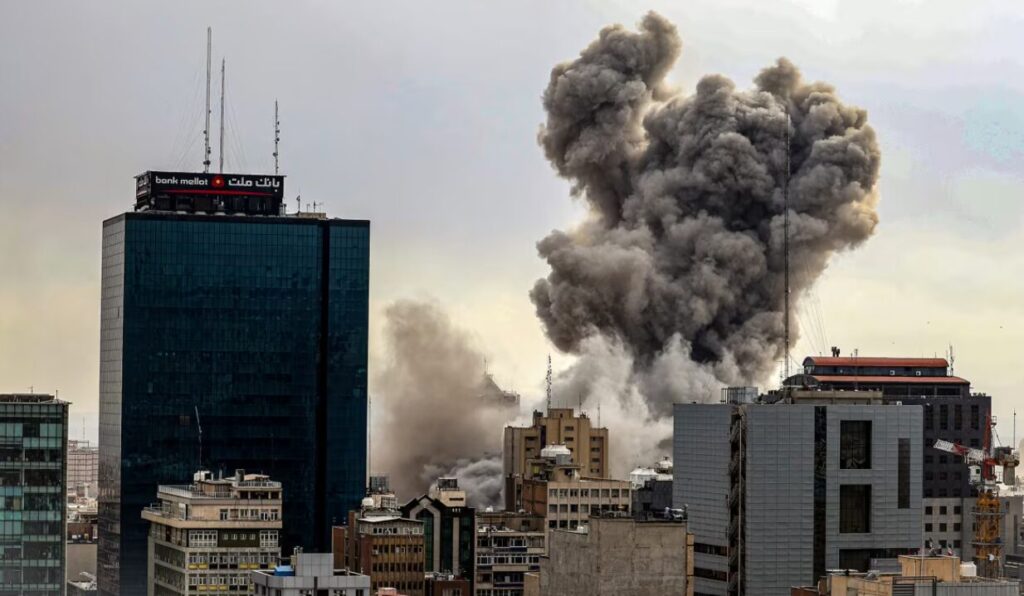
For Asal, a freelance designer in her 30s living in Tehran, the global digital economy once offered freedom, stability, and hope. She worked with international clients, earned in foreign currency, and built a life that felt relatively insulated from Iran’s long-standing economic challenges.
Today, that life has unraveled.
After nearly two months without reliable internet access, her work has vanished. “No new projects, no replies. It’s like everything just stopped overnight,” she said during a phone interview. On the verge of tears, Asal admits that her income no longer covers even the most basic expenses.
Her story is not unique—it is the lived reality of millions of Iranians caught at the intersection of war, economic collapse, and digital isolation.
A Crisis That Goes Beyond the Battlefield
Iran’s ongoing conflict involving the United States and Israel has triggered far-reaching consequences that extend well beyond military strikes. While headlines often focus on geopolitics, the real damage is unfolding quietly in homes, workplaces, and markets across the country.
Entire sectors of the economy are crumbling.
Freelancers like Asal, who depend on international connectivity, have been among the hardest hit. But they are not alone. Refinery workers, textile employees, truck drivers, flight attendants, journalists, and tech professionals are all facing sudden unemployment or drastic income losses.
The numbers are staggering. Over 23,000 factories and businesses have reportedly been damaged by airstrikes, directly eliminating around one million jobs. Another million people have been pushed out of work due to ripple effects across industries.
And this may only be the beginning.
An Economy Already on the Brink
Even before the escalation of conflict, Iran’s economy was in deep distress. Years of sanctions, systemic corruption, and mismanagement had weakened its foundation.
National income per person had dropped sharply—from approximately $8,000 in 2012 to just $5,000 in 2024. Inflation was already high, and purchasing power had eroded significantly for the average citizen.
The war has turned a fragile situation into a full-blown economic emergency.
Inflation has now surged to an annual rate of 72%, with essential goods rising even faster. Food, fuel, and housing costs have become increasingly unaffordable, pushing families to make impossible choices.
Internet Shutdown: A Hidden Economic Weapon
One of the most devastating yet underreported aspects of the crisis is Iran’s prolonged internet disruption.
For a modern economy, connectivity is lifeblood. In Iran, its absence has crippled entire segments of the workforce.
Freelancers, digital marketers, software developers, online educators, and e-commerce workers have seen their livelihoods disappear almost overnight. International clients cannot reach them. Payments are delayed or blocked. Platforms they rely on are inaccessible.
Even domestic alternatives have proven unreliable.
Somayeh, a German language teacher in her 50s, has been forced to abandon her international students and switch to local apps. But these platforms frequently crash, making consistent teaching nearly impossible.
“Nothing works properly anymore,” she explained. “Students can’t all get online at the same time.”
For women in particular—many of whom work remotely due to social and cultural constraints—the internet shutdown has been devastating. They now make up a third of unemployment insurance claims since the conflict began.
Industry Collapse and Job Losses
The destruction of critical infrastructure has sent shockwaves through Iran’s industrial base.
Airstrikes targeting petrochemical complexes have forced thousands of workers into unpaid leave. Steel production—vital for construction and manufacturing—has been severely disrupted.
This has triggered a domino effect.
A trailer manufacturing company near the Azerbaijan border laid off 1,500 workers due to steel shortages. A major textile firm dismissed 700 employees. Dairy plants have halted operations because they cannot access essential packaging materials.
Even sectors that were once considered resilient are now buckling under pressure.
Air travel has come to a standstill. Soheila, a senior flight attendant, recalls the moment her career was abruptly paused. “I was about to leave for a flight when everything was canceled,” she said. With her contract ending shortly after, she now faces an uncertain future without income.
The Rise of the Newly Poor
According to projections, up to 4.1 million more Iranians could fall into poverty as a direct result of the conflict.
Unemployment claims have surged dramatically, with 147,000 applications filed in just two months—three times higher than the same period last year.
But these figures only tell part of the story.
Many workers in Iran operate in the informal economy, meaning they lack access to unemployment insurance or social safety nets. For them, job loss translates immediately into financial crisis.
Jafar, a data analyst, recently lost his job when his company shut down. Now, he is considering working in ride-hailing services just to survive. “I have rent and debts to pay, and no idea what comes next,” he said.
His experience reflects a growing trend: skilled professionals being forced into low-income, unstable work.
A Strained Social Safety Net
Iran’s social security system is struggling to keep up with the surge in unemployment.
At the same time, government revenues have been depleted due to reduced economic activity and ongoing sanctions. This has limited the state’s ability to provide meaningful support.
While authorities are reportedly planning to expand monthly vouchers for basic goods, experts warn that this will not be enough.
Without urgent interventions—such as tax relief, low-interest loans, and targeted support for small businesses—the unemployment crisis could spiral further out of control.
Growing Criticism and Policy Tensions
The economic collapse has intensified criticism of government policies.
Business leaders argue that there is a disconnect between public sector decisions and private sector realities. While government employees have reportedly received significant salary increases and continue to work remotely, many private companies are struggling just to stay afloat.
This imbalance has fueled frustration among workers and entrepreneurs alike.
Economic experts are calling for a shift toward a wartime economic strategy—one that prioritizes job preservation, stabilizes prices, and supports vulnerable populations.
The Human Cost of Economic Isolation
Beyond statistics and policy debates lies a deeper human crisis.
Families are cutting back on food, delaying medical care, and pulling children out of school. Mental health issues are rising as uncertainty and financial stress take their toll.
For many, the loss of work is not just an economic setback—it is a loss of dignity, identity, and hope.
Asal’s story captures this reality with painful clarity. Once part of a global workforce, she now feels completely cut off.
“I don’t know how long I can keep going like this,” she said.
What Lies Ahead?
Iran stands at a critical crossroads.
If current trends continue, the country could face a prolonged economic depression marked by mass unemployment, deepening poverty, and social unrest.
However, there is still a narrow window for action.
Restoring internet access, stabilizing key industries, and implementing targeted economic reforms could help prevent further collapse. International diplomacy may also play a role in easing tensions and creating space for recovery.
But time is running out.
A Crisis Demanding Urgent Attention
The unfolding situation in Iran is not just a geopolitical story—it is a human one.
Millions of people are losing their livelihoods, their stability, and their sense of security. The combination of war, economic mismanagement, and digital isolation has created a perfect storm that is pushing the country toward widespread poverty.
Asal’s voice—fragile yet resolute—echoes the fears of an entire nation.
Her question remains unanswered: What comes next?
Until meaningful solutions emerge, the silence of disconnected phones and empty inboxes will continue to tell the story of an economy—and a people—under immense strain.

Stateupdate Media Group |SMG
Contributor at State Update.
Related News

President Warns Arsenal Fans On More Celebrations

Details Leak As Ruto’s Phone Call to Gachagua’s Doctor During Impeachment Emerges

US Cancels All Visa Appointments in This Country As War With Iran Escalates

Photos: Matiang’i and Gachagua attend Kalonzo’s Son Wedding in a Colorful Ceremony

Ruto’s Sh 1.2 Billion Church Project Underway Within The Grounds of State House

Shock as KNEC Sends Secret Warning Letters to Three Exam Centres
Latest News
Martha Karua Set to Grace Nakuru as PLP Opens New Offices, Farmers Party Joins Opposition Camp

Ugandans in Kenya Warned After Ruto’s Urgent Directive

Mount Kenya Hawkers Accused of Double Standards Over Ruto’s Foreign Traders Directive: Senator Samson Cherargei Sparks Debate

CS Joho and MP Sudi Deliver Ruto’s Condolences to Tanzania’s President Samia
Kenyans In Burundi Sent A Strong Message By The Government