Naivasha Girls’ High School: KCSE Performance, Fees, and Complete Admission Guidelines

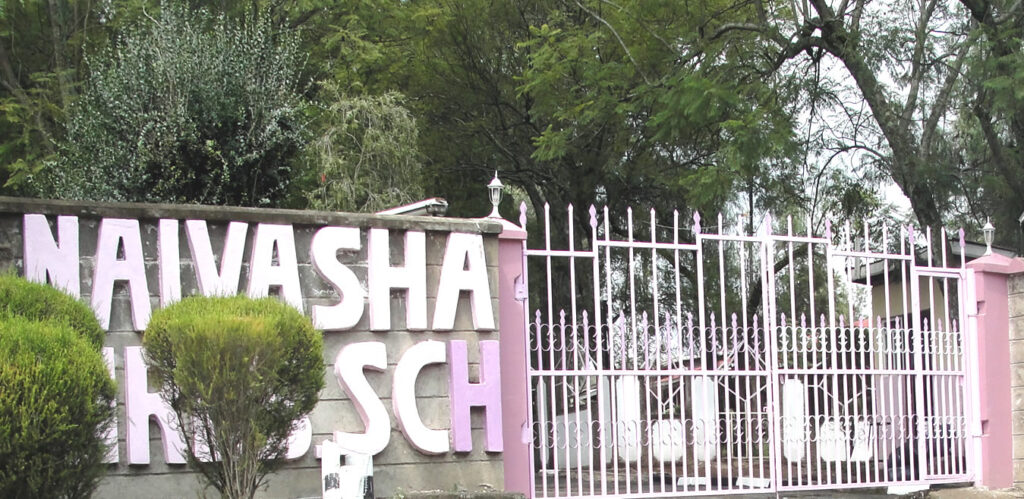
Naivasha Girls’ High School is a premier, highly competitive Extra-County Girls’ Boarding School located in Naivasha Sub-County, within Nakuru County.
Established to provide high-quality secondary education and empower young women, the school has grown into a regional academic giant and an institution synonymous with strict discipline, holistic development, and stellar performance in Science, Technology, Engineering, and Mathematics (STEM) subjects.
With its serene campus environment situated away from the bustling town center, Naivasha Girls’ offers a secure and highly focused ecosystem for learners aiming for top-tier university career tracks.
For parents, guardians, and prospective candidates targeting admission, this comprehensive guide provides up-to-date information on KCSE performance trends, official subsidized fees, step-by-step admission protocols, and recent administrative safety responses.
1. Naivasha Girls’ High School KCSE Performance History
Naivasha Girls’ High School consistently establishes its dominance in the national examinations within Nakuru County and the broader Rift Valley region. It is highly regarded for its exceptional value-add index, successfully polishing students with average entry marks into premium university materials.
Key Academic Metrics
-
University Progression Velocity: The school regularly maintains a university transition rate where over 80% of graduating candidates attain a direct entry grade of C+ (plus) and above under government sponsorship.
-
Subject-Specific Dominance: The institution exhibits outstanding performance curves in the Sciences (particularly Biology and Chemistry), Mathematics, and Home Science.
-
Target Mean Grades: Naivasha Girls’ steadily registers an institutional mean score ranging between 8.3 (B Minus) and 9.2 (B Plain), consistently placing it among the top five best-performing extra-county girls’ schools regionally.
2. Official Fee Structure Guidelines
As a public extra-county boarding school, Naivasha Girls’ High School functions strictly under the financial caps and regulations issued by the Ministry of Education. Tuition is heavily cushioned by the government’s Free Day Secondary Education (FDSE) capitation alongside standard medical cover via the EduAfya system. Consequently, parents are only financially responsible for boarding, local maintenance, and student upkeep components.

Annual Parental Fees Breakdown
The standard parental financial obligation for secondary institutions within this category is capped at approximately Ksh. 45,000 per year. This structured allocation covers fundamental boarding and administrative maintenance components:
-
Boarding Equipment, Stores & Student Meals: ~Ksh. 32,385 (Covers specialized nutritional requirements and daily upkeep).
-
Repairs, Maintenance, and Infrastructure Improvement (RMI): ~Ksh. 2,960 (Allocated to standard repairs, painting, and classroom upgrades).
-
Local Electricity, Water, and Conservancy: ~Ksh. 4,500 (Covers sanitation systems and energy overheads).
-
Co-curricular Activities: ~Ksh. 798 (Funds regional sports, music, and drama festival entries).
Read also: Lenana School
Standard Termly Payment Breakdown
To ease the financial strain on households, fees are distributed systematically across the school terms, heavily front-loaded during the opening months:
-
Term 1 (50%): Approx. Ksh. 22,500 (Payable during the initial reopening/admission in January).
-
Term 2 (30%): Approx. Ksh. 13,500 (Payable upon resumption of learning in May).
-
Term 3 (20%): Approx. Ksh. 9,000 (Payable at the start of the final term in September).
Crucial Financial Safety Directive: The school management strictly rejects cash payments at the institutional accounts desk. All payments must be channeled via direct banker’s cheques or bank deposits into the school’s official bank accounts (usually with major branches like Kenya Commercial Bank or National Bank of Kenya), or processed directly through the authorized government e-Citizen digital portal. Ensure the student’s full registration name and admission code are strictly detailed on the banking slip.
3. Complete Admission Guidelines
Gaining a vacancy at Naivasha Girls’ High School is a highly competitive endeavor, controlled entirely through automated government structures and direct tracking portals.
A. The Automated Selection System
-
Form One / Grade 10 Initial Allocation: The bulk of admissions are processed via the computerized selection system ran by the Ministry of Education based on cumulative marks obtained in national assessments. Candidates must explicitly choose Naivasha Girls’ within their Extra-County cluster choices.
-
Inter-School Replacement Transfers: Parents seeking mid-stream vacancies or transfer entries due to household relocation must apply directly through the Principal’s office. Vetting is heavily reliant on vacant bed spaces in the dormitories and absolute clearance via the National Education Management Information System (NEMIS) portal.
B. Step-by-Step Reporting Procedure
Read Also: Alliance High School
4. Comprehensive Student Requirements Checklist
To ensure a seamless transition into the school’s boarding community, new admissions must report with the exact inventory detailed below. Substandard gear or contraband items will be rejected at the entry gate.
Dormitory & Bedding Assets
-
One durable, lockable steel box (standard student dimensions).
-
Two premium padlocks (with duplicate keys securely stored by parents).
-
A standard high-density 3-inch or 4-inch mattress, two sky-blue or navy-blue bedsheets, and one heavy woolen blanket.
-
A standard-sized, treated mosquito net.
-
One plastic basin, a sturdy washing bucket, and a set of clothes pegs.
Health, Hygiene & Toiletries
-
At least 4 laundry bars and a pack of washing detergent.
-
Bathing soaps, skin jelly/lotion, toothbrushes, and toothpaste.
-
A minimum of 4 premium rolls of toilet tissue.
-
One heavy-duty cotton bath towel.
-
Shoe grooming gear: a large tin of black polish, a spreading brush, and a polishing cloth.

Scholastic Accessories & Cutlery
-
A brand-new mathematical set and a set of transparent 30cm rulers.
-
HB drawing pencils, black and blue biros, and authorized mathematical log tables.
-
A copy of the Holy Bible or Holy Quran, depending on the student’s denomination.
-
Solid stainless steel cutlery: one heavy-duty plate, a durable mug, and a spoon. Plastic, glass, or fragile ceramic items are strictly banned for safety and environmental health reasons.
5. Academic Environment & Co-Curricular Framework
Naivasha Girls’ High School operates on a holistic growth philosophy, combining rigid classroom drilling with robust physical and mental stimulation.
STEM and Creative Curriculum
The school is heavily recognized for fostering a female-led technical environment. It features fully functioning, modern laboratories that facilitate extensive practical sessions in:
-
Pure Sciences: Intensive coursework tracks in Physics, Chemistry, and Biology.
-
Applied/Technical Crafts: Specialized spaces for Computer Studies, Home Science, and Agriculture.
-
Languages & Humanities: Broad exposure to French/German language alternatives, History and Government, and Geography.
Co-Curricular Footprint
Beyond traditional academics, the students participate actively in the Kenya Music and Drama Festivals, consistently reaching the regional and national levels. The institution also provides competitive platforms for indoor games, lawn tennis, athletics, and hockey, ensuring that physical fitness aligns directly with mental sharpness.
6. Precautionary Closure Amid Nationwide Secondary School Unrest (June 2026)
In early June 2026, the second term of the academic calendar faced unprecedented challenges as a massive wave of student unrest, arson, and strikes disrupted learning in approximately 100 secondary schools across Kenya. The volatility in Nakuru County reached a critical peak following a devastating dormitory arson tragedy at the nearby Utumishi Girls‘ Academy in Gilgil on May 28, 2026, which tragically claimed the lives of 16 learners and resulted in the court detention of nine suspects.
Amid rising internal tensions, student complaints regarding revised national examination timelines, and the contagious effect of strikes in neighboring institutions, the management of Naivasha Girls’ High School moved swiftly to prioritize student safety and protect the school’s extensive infrastructure. Following a localized overnight disturbance and emerging indicators of student restlessness, the school’s Board of Management (BOM), in consultation with local education officials, ordered an immediate precautionary closure of Naivasha Girls’ High School on Wednesday, June 3, 2026.
Parents and guardians were contacted via the school’s official mobile messaging networks to immediately collect their children from the school grounds. This early safety intervention was implemented to defuse psychological pressures and avert further escalation while the Ministry of Education executed a mandatory 10-day safety and compliance audit across all boarding institutions in the country.
Re-admission Protocols and Security Clearances
To facilitate an orderly return to academic normalcy once the Ministry of Education clears the institution, the administration enforces rigid conditions for re-admission:
-
Accompanied Reporting: Every student must physically report back to campus accompanied by a parent or legal guardian for a mandatory behavioral assessment.
-
Signed Accountability Contracts: Students and their parents will be required to execute strict behavioral commitment forms promising to uphold the institution’s disciplinary rules and protect school property.
-
Strict Anti-Contraband Screening: The gate security team will run thorough physical checks. Matchboxes, petroleum products, unauthorized electrical appliances, and mobile devices remain strictly prohibited.
-
Financial Account Alignment: Parents must ensure all standard termly fee structures are fully aligned before the student is cleared to re-occupy their dormitory slot.
For an expert structural breakdown of the administrative and management issues fueling the current nationwide secondary school crisis during this term, see this analytical resource:
Follow stateupdate.co.ke for more news updates

Stateupdate Media Group |SMG
Contributor at State Update.
Related News

Best Family-Friendly Hotels Near Arlington, Texas Entertainment District USA

The Wreaths ‘Problem’ at Raila Odinga’s Grave: Today’s Newspaper Review
Starehe Boys’ Centre KCSE 2024 Results: Performance Analysis and Grade Distribution

Hollywood to Inglewood: Top LA-neighborhoods for big-stadium logistics in USA

Government Disburses Sh48.4 Billion Capitation to all Public Schools as 2025 Academic Year Begins

Fred Matiang’i Appointed Jubilee Party Deputy Leader and Endorsed as 2027 Presidential Candidate
Latest News
Martha Karua Set to Grace Nakuru as PLP Opens New Offices, Farmers Party Joins Opposition Camp

Ugandans in Kenya Warned After Ruto’s Urgent Directive

Mount Kenya Hawkers Accused of Double Standards Over Ruto’s Foreign Traders Directive: Senator Samson Cherargei Sparks Debate

CS Joho and MP Sudi Deliver Ruto’s Condolences to Tanzania’s President Samia

Kenyans In Burundi Sent A Strong Message By The Government