Why So Many ‘Rich’ Kenyans Are Actually Broke, Dr. Muthomi Thiankolu

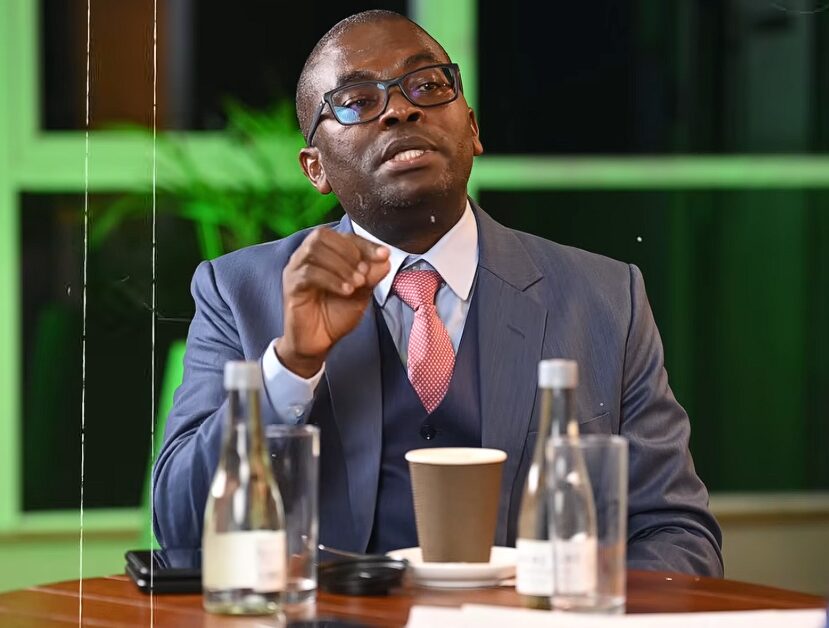
In a candid and piercing conversation, Dr. Muthomi Thiankolu, a seasoned advocate and legal scholar, strips away the superficial layers of modern Kenyan status to expose the harsh realities hindering the nation’s growth. At the heart of his critique is a provocative question: why are so many people perceived as “rich” in Kenya often closer to poverty than they realize? Through the lens of constitutional law and public procurement, Dr. Thiankolu challenges the status quo, arguing that the nation’s malaise is not just a failure of leadership, but a failure of the citizenry to demand genuine meritocracy.
The Tenderpreneurship Trap: Corruption as a Design Flaw
Dr. Thiankolu argues that much of what the public labels as “accidents” or “bad luck”—such as infrastructure failures or deaths in public hospitals—are, in fact, the direct outcomes of systemic corruption.
He famously asserts that corruption is merely a “polite name for theft,” explaining how the phenomenon of “tenderpreneurship” hijacks public policy for personal enrichment. “Those deaths at the bridge are not accidents; the effective cause of death is corruption and incompetent leadership,” he notes, highlighting how public projects are often designed not to serve the people, but to provide opportunities for kickbacks.
This “budgeted corruption” ensures that infrastructure projects are either grossly overpriced or structurally flawed, as contractors prioritize profit over durability. The result is a cycle where, despite massive budget allocations, the average citizen sees their quality of life stagnate, burdened by the high cost of living that results from this institutionalized graft.
The Middle-Class Myth: A False Sense of Security
One of the most biting segments of the discussion involves the critique of Kenya’s educated middle class. Dr. Thiankolu suggests that this demographic is arguably the most “politically ignorant” because they insulate themselves from public failure by relying on private alternatives.
By buying insurance to avoid public hospitals or paying for private education, the middle class abdicates its responsibility to hold the state accountable for the public services they fund through their taxes.
“The most politically ignorant demographic in Kenya are ironically the people who are most educated,” Dr. Thiankolu explains. He posits that this group lives in a “cloistered life,” possessing a false sense of security while remaining “one disease or one small accident away from poverty.”
Beyond the Singapore Dream: The Need for Fundamental Change
Addressing the frequent comparisons to the “Singapore model” of development, Dr. Thiankolu dismisses the ambition as “hot air” if it remains untethered from the necessary internal sacrifices. He argues that Kenya’s focus on the aesthetic of development—the “monument concept” of building impressive-looking infrastructure—ignores the hard work of building robust institutions.
True transformation, he contends, requires more than shifting political goalposts; it requires a commitment to zero-tolerance for corruption and a rigid adherence to meritocracy. “Africans and Kenyans in particular are very good at copying, but we always copy the wrong things,” he observes, noting that while Kenyans often imitate the mannerisms of developed nations, they rarely replicate the underlying value systems of discipline, scholarship, and unwavering integrity that built those economies.
A Call for Citizen Accountability
Ultimately, Dr. Thiankolu places the burden of change on the Kenyan people. He challenges the belief that politicians alone are to blame for the country’s trajectory, arguing that leaders are a reflection of the society that elects them. Until the citizenry shifts its own standards—moving away from a culture that worships money regardless of its source and toward one that demands accountability—the cycle of failed potential will continue. Prosperity, he concludes, is not a gift from leaders, but the harvest of a society that refuses to compromise on its core values.

Stateupdate Media Group |SMG
Contributor at State Update.
Related News

Kenyans Shocked As Bungoma Man Buried In Glass Coffin He Designed For Himself

‘Big Questions From Matiang’i Ally’ On Kisii County Response to Fire Outbreak
New TSC Junior School Jobs Listed Per County: How to Apply

How Mechanical Engineer & Literature Graduate Built a Multi-Million Farm Together

Make Millions Through Maize Farming: 10 secrets revealed
R.I.P Francis Atwoli in Mourning
Latest News

Martha Karua Set to Grace Nakuru as PLP Opens New Offices, Farmers Party Joins Opposition Camp
Ugandans in Kenya Warned After Ruto’s Urgent Directive
Mount Kenya Hawkers Accused of Double Standards Over Ruto’s Foreign Traders Directive: Senator Samson Cherargei Sparks Debate
CS Joho and MP Sudi Deliver Ruto’s Condolences to Tanzania’s President Samia
Kenyans In Burundi Sent A Strong Message By The Government