Ebola Scare in Kenya: These 22 Counties on High-Risk Alert As Results On Ebola Suspected Cases Released

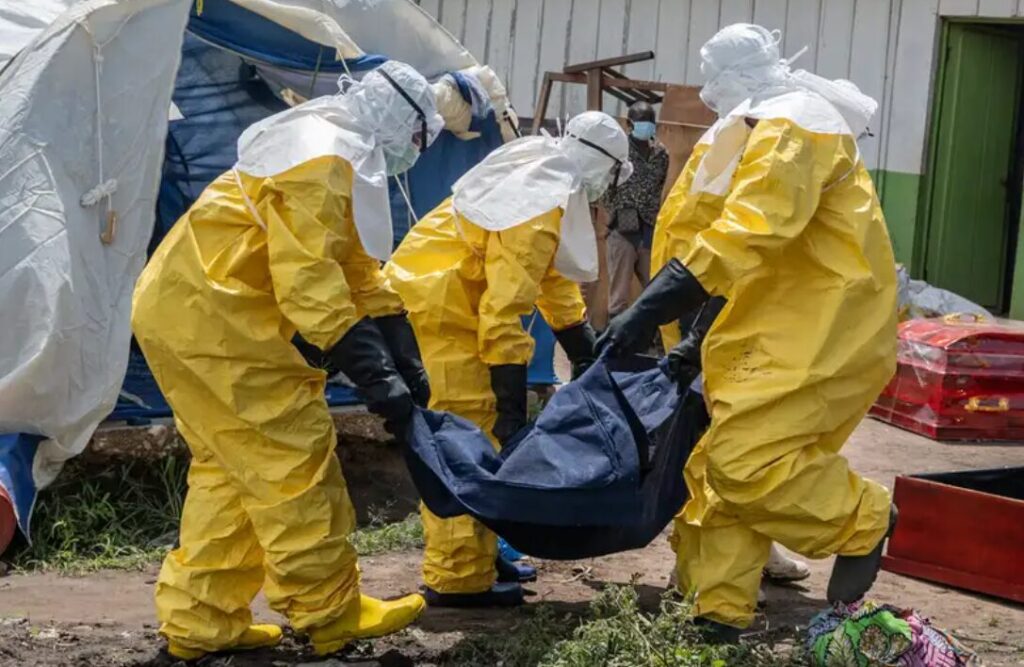
Kenya has moved swiftly to reassure its citizens after three suspected Ebola cases tested negative, even as Health Cabinet Secretary Aden Duale placed 22 counties on high-risk alert in response to the escalating outbreak in the Democratic Republic of Congo (DRC) and Uganda.
In a firm national address, Duale confirmed that Kenya remains free of Ebola virus disease (EVD), emphasizing that the three individuals with recent travel history from the DRC were promptly isolated, tested, and cleared, along with four additional contacts.
His statement comes amid viral misinformation and a fake letter circulating online, which falsely claimed an Ebola case in Uasin Gishu County. Duale strongly cautioned Kenyans against spreading unverified reports, urging reliance on official updates from the Ministry of Health, KNPHI, WHO, and Africa CDC.
Despite the negative results, the government is intensifying vigilance, classifying 22 counties as high-risk due to their border proximity, mobility, and trade links with affected regions. Counties such as Busia, Bungoma, Trans Nzoia, Mombasa, and Turkana are under heightened surveillance, with over 34,500 travelers screened at entry points in recent days.
Emergency operations centers have been activated, and Kenya is working closely with WHO and county governments to prevent importation of the virus. The regional outbreak, driven by the Bundibugyo strain, has been declared a Grade 3 High-Risk event by Africa CDC, raising alarm due to cross-border transmission and the absence of a licensed vaccine for this strain.
Kenya’s strong connectivity through road, air, and trade makes it vulnerable, but proactive measures are being implemented to safeguard the nation.
Health officials continue to stress that Ebola spreads through direct contact with bodily fluids of infected persons or contaminated surfaces, with symptoms ranging from sudden fever, severe headache, muscle pain, and weakness to vomiting and bleeding in advanced stages. The Ministry of Health advises citizens to avoid close contact with suspected cases, maintain strict hygiene, report unusual symptoms immediately, and rely only on verified official communications.
As the situation evolves, Kenya’s preparedness remains at the forefront, with authorities monitoring developments closely and reinforcing public health systems. Duale’s message is clear: there are no confirmed Ebola cases in Kenya, but vigilance and caution remain paramount as the country stands guard against regional threats. This reassurance, coupled with intensified surveillance, aims to calm public fears while ensuring Kenya remains resilient in the face of regional health emergencies.

Stateupdate Media Group |SMG
Contributor at State Update.
Related News

Understanding Irregular Bleeding from the Birth Control Shot: What You Need to Know

Ruto Faces Backlash as Congolese Scholars Reject Kenya’s Consul General Nominee to Goma

Matiang’i Breathes Fire in the U.S., Blasts Govt and Clears Air On Opposition Sponsoring Gen Z Protests

Five-Star Football: Top Luxury Hotels in Los Angeles for Elite Travelers

Senator Demands Ruto’s Immediate Resignation Over NIS Kidnapping Scandal

TSC Announces Job Opportunities: How To Apply
Latest News
Martha Karua Set to Grace Nakuru as PLP Opens New Offices, Farmers Party Joins Opposition Camp

Ugandans in Kenya Warned After Ruto’s Urgent Directive

Mount Kenya Hawkers Accused of Double Standards Over Ruto’s Foreign Traders Directive: Senator Samson Cherargei Sparks Debate

CS Joho and MP Sudi Deliver Ruto’s Condolences to Tanzania’s President Samia

Kenyans In Burundi Sent A Strong Message By The Government