Where’s The Money Really Coming From? Abdinoor Alimahdi Breaks Down Somali Wealth and Resilience

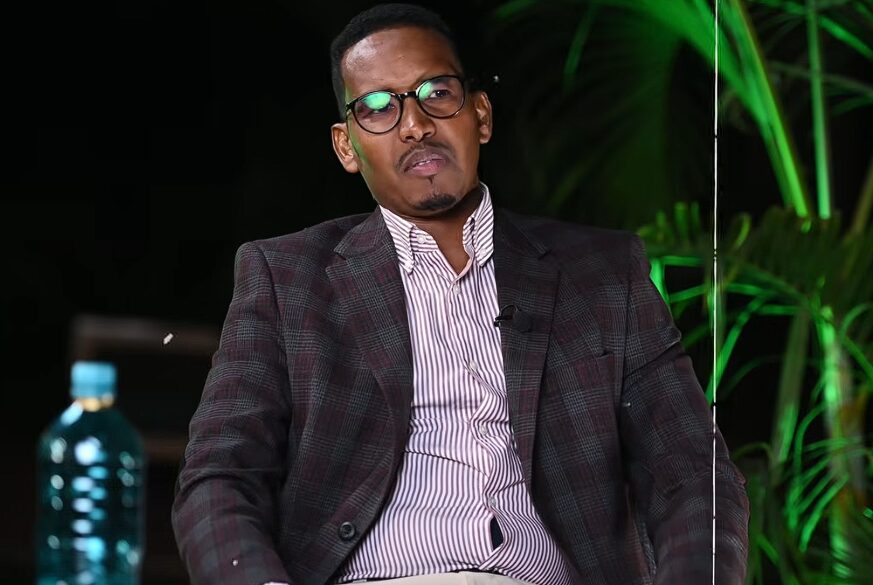
In the wake of the Minnesota scandal that shook Somali communities in the United States, questions about wealth, accountability, and financial transparency have dominated headlines. Yet behind the sensational stories lies a deeper narrative of resilience, entrepreneurship, and cultural adaptation. In his second appearance on the program “Where’s The Money Really Coming From?”, Abdinoor Alimahdi—a telecommunications engineer and education technologist—offers a candid exploration of how Somali communities generate and sustain wealth, and why misconceptions often cloud the truth.
Beyond the Headlines: Understanding Somali Wealth
Alimahdi begins by challenging the stereotypes that often surround Somali financial success. “People look at a Somali driving a nice car or building a business and immediately ask, ‘Where did the money come from?’” he says. “The assumption is always that something illegal is happening. But the truth is, our money comes from hard work, remittances, and community networks.”
He explains that Somali wealth is rooted in entrepreneurship and diaspora remittances. Families abroad send billions of dollars annually to support relatives in East Africa, fueling education, healthcare, and small businesses. “Remittances are our lifeline,” Alimahdi emphasizes. “They are not just money transfers—they are investments in survival and opportunity.”
The Minnesota Scandal and Its Aftermath
The Minnesota scandal, which exposed fraudulent misuse of federal funds, cast a shadow over Somali communities in the U.S. Alimahdi acknowledges the damage but insists it should not define the entire community. “Yes, there were mistakes, and yes, there was fraud,” he admits. “But to paint every Somali with that brush is unfair. Most of us are working honestly, building businesses, and educating our children.”
He warns against blanket assumptions, noting that scandals often overshadow the positive contributions of Somali entrepreneurs and professionals. “We must separate individuals who abuse systems from the community at large. Otherwise, we risk destroying trust and opportunity for everyone.”
Financial Literacy and Transparency
Alimahdi stresses the importance of financial literacy as a tool for empowerment. “We need to understand how money flows, how to manage it, and how to make it grow,” he explains. “Ignorance breeds suspicion. When people don’t understand wealth creation, they assume it must be corrupt.”
He calls for greater transparency in community organizations, urging leaders to adopt clear financial practices. “Transparency builds trust. If we show where the money comes from and how it is used, we silence the critics.”
Education and Technology as Wealth Builders
As an education technologist, Alimahdi ties financial empowerment to knowledge and innovation. “Sustainable wealth is built on skills,” he says. “If our youth learn technology, engineering, and entrepreneurship, they will create wealth that lasts.”
He highlights the role of digital platforms in connecting diaspora communities, enabling faster remittances, and opening new business opportunities. “Technology is our bridge. It connects us to the world, reduces costs, and expands opportunities.”
Cultural Resilience and Community Networks
Alimahdi portrays Somali communities as resilient and adaptive. “We are survivors,” he declares. “From Mogadishu to Minneapolis, we have learned to build networks that support each other. Our wealth is not just financial—it is cultural.”
He explains how informal savings groups, known as Ayuto, allow families to pool resources and invest collectively. “Ayuto is our bank. It teaches discipline, trust, and cooperation. It is how we build businesses without formal loans.”
Shifting the Narrative
Ultimately, Alimahdi’s message is about reclaiming the narrative. “We must tell our own stories,” he insists. “If we don’t, others will define us by scandals and stereotypes.”
He calls on Somali professionals, entrepreneurs, and educators to showcase their successes and mentor the next generation. “Our wealth is not hidden. It is in our resilience, our networks, and our ability to adapt. That is where the money really comes from.”

Stateupdate Media Group |SMG
Contributor at State Update.
Related News

Kylian Mbappé Salary 2026: How Much Does the France Star Earn?
Lawyer to Farmer: The Maasai Woman Rewriting the Rules of Agribusiness

Inside the Rift: How Gachagua’s Explosive Counterattack Exposed Deep Cracks in Ruto’s Government
Moi High School Kabarak KCSE 2024 Results: Performance Analysis and Grade Distribution

The Strategic 2026 Guide to American Stocks: Make high returns and Identify Modern Opportunities
KNUT Calls for Urgent Action on Teacher Promotions and School Capitation
Latest News

Martha Karua Set to Grace Nakuru as PLP Opens New Offices, Farmers Party Joins Opposition Camp
Ugandans in Kenya Warned After Ruto’s Urgent Directive
Mount Kenya Hawkers Accused of Double Standards Over Ruto’s Foreign Traders Directive: Senator Samson Cherargei Sparks Debate
CS Joho and MP Sudi Deliver Ruto’s Condolences to Tanzania’s President Samia
Kenyans In Burundi Sent A Strong Message By The Government