A Million Remote Jobs Is Not Rocket Science: Dan Njiriri’s Vision for Kenya’s Digital Workforce

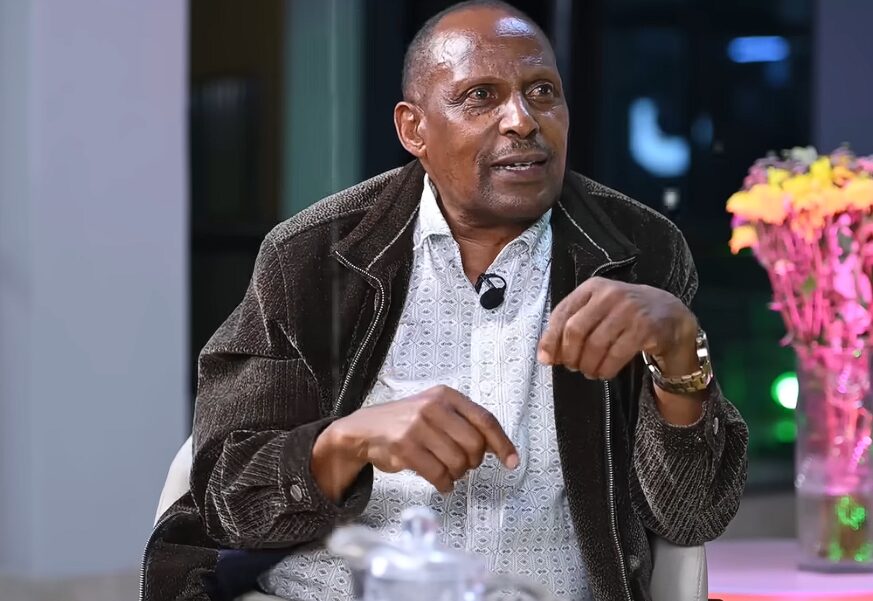
Kenya’s unemployment crisis has long been a pressing issue, with millions of young people struggling to find stable work. Yet in a powerful interview titled “A Million Jobs Is Not Rocket Science”, Dan Njiriri, founder of Leash AI Labs, argues that solving this problem is not only possible but achievable within a short timeframe. His vision is clear: Kenya can create a million jobs by embracing remote work, digital training, and global demand for online services.
The Global Remote Work Revolution
Njiriri begins by pointing to countries like India and the Philippines, which have successfully built thriving economies around remote work. “These nations understood early that the internet is not just for social media—it is a marketplace,” he explains. “They trained their youth, marketed their skills, and today they dominate the global outsourcing industry.”
He insists that Kenya has the same potential, if not more. “We have a youthful population—over 70% of Kenyans are under 35. That is our greatest resource. If we train them in ICT, we can employ millions without exporting people. We can import jobs instead.”
The Formula for a Million Jobs
Njiriri outlines a practical formula that could transform Kenya’s economy. “If each of our 1,200 wards had a lab with 100 computers running 24 hours, we would employ 2.4 million people,” he says. “These jobs would pay in dollars, strengthening our foreign exchange reserves and boosting the economy.”
He emphasizes that this is not a dream but a mathematical reality. “It is not rocket science. It is simple arithmetic. The infrastructure exists, the youth are ready, and the demand is global. All we need is structured training and marketing.”
AI Training and Data Annotation
One of the most promising areas Njiriri highlights is artificial intelligence. “Kenyan youth are already training AI models,” he explains. “From medical data to automotive systems, our people are contributing to global AI projects.”
He believes that expanding data annotation and AI training could employ hundreds of thousands. “AI needs human input. Every image, every dataset must be labeled. That is work our youth can do, and it pays in dollars.”
Marketing Kenya as a Remote Work Hub
Njiriri stresses that Kenya must market itself as a destination for online jobs, just as it markets tourism. “We spend millions promoting safaris and wildlife. Why not promote our digital workforce?” he asks. “If the world knows Kenya as a hub for remote work, jobs will flow in.”
He calls for government support in branding Kenya as a digital outsourcing powerhouse. “We must position ourselves globally. The Philippines did it. India did it. Kenya can do it too.”
Training and Capacity Building
Leash AI Labs has already begun offering free six‑month training programs to turn youth into professional online workers. “We don’t just teach skills—we teach professionalism,” Njiriri explains. “Online jobs are not get‑rich‑quick schemes. They are careers. Our graduates earn between KSh 30,000 and 50,000 monthly, and some earn much more.”
He shares success stories of young mothers, graduates, and rural youth who have built stable incomes through remote work. “Some have bought land, built homes, and achieved financial freedom. This is real. It is happening.”
Dollar Inflows and Tax Benefits
Njiriri highlights the economic benefits of remote work. “If millions of Kenyans earn in dollars, our foreign exchange reserves will grow. The government could collect KSh 70–100 billion annually in taxes. That is transformative.”
He argues that remote work is not just about individual success but national prosperity. “This is how we strengthen our economy. This is how we reduce unemployment. This is how we build Kenya.”
Success Stories and Human Impact
Njiriri’s narrative is filled with human stories that illustrate the impact of remote work. He describes young people who once struggled to survive now thriving through online jobs. “One of our trainees was a young mother who could not afford childcare. Today she works from home, earns in dollars, and supports her family. That is empowerment.”
He insists that these stories are proof that remote work is not a theory but a reality. “We have seen lives transformed. We have seen poverty defeated. This is the future.”

Stateupdate Media Group |SMG
Contributor at State Update.
Related News

Exam Scandal Looms: KNEC Gives Three Schools Final Warning as Monday Deadline Hits

CS Joho and MP Sudi Deliver Ruto’s Condolences to Tanzania’s President Samia

The Wisdom of 80 Years: Joseph Mbuthia Gichuru’s Blueprint for Wealth and Integrity

Why Nyachae was rejected as IEBC Commissioner? Gachagua Reveals

The Mirage of Devolution: Why the Government is Starving the Counties
Free Huawei DigiTruck IT Training for West Mugirango Youths
Latest News

Martha Karua Set to Grace Nakuru as PLP Opens New Offices, Farmers Party Joins Opposition Camp

Ugandans in Kenya Warned After Ruto’s Urgent Directive

Mount Kenya Hawkers Accused of Double Standards Over Ruto’s Foreign Traders Directive: Senator Samson Cherargei Sparks Debate
CS Joho and MP Sudi Deliver Ruto’s Condolences to Tanzania’s President Samia

Kenyans In Burundi Sent A Strong Message By The Government