CS Mbadi Breaks Silence On Matatu Fuel Strike, Reveals What Ruto Will Do

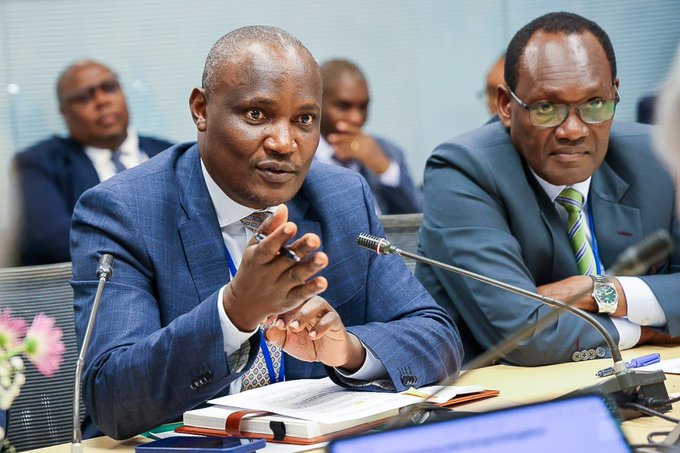
Treasury Cabinet Secretary John Mbadi has come out strongly to defend the government amid mounting criticism over the ongoing fuel crisis and nationwide matatu strike that has paralysed transport operations across several parts of Kenya.
Speaking as thousands of commuters remained stranded on Monday morning, Mbadi termed the matatu strike “completely uncalled for,” arguing that the current fuel crisis was largely driven by global factors beyond Kenya’s control. His remarks came after transport operators withdrew services in protest against soaring fuel prices, leaving hundreds of passengers stranded along major highways including the busy Thika Superhighway.
“Why are we trying to solve a global problem using domestic means? We have not caused the US-Iran war,” Mbadi stated, as he defended the government against growing public anger over the rising cost of petroleum products.
The nationwide strike by matatu operators follows the latest fuel price review by the Energy and Petroleum Regulatory Authority (EPRA), which saw diesel prices rise sharply by more than Sh46 per litre while petrol also recorded a significant increase. Transport operators say the escalating fuel costs have made business operations unsustainable, forcing them to increase fares and suspend services in protest.
Along Thika Superhighway, one of the country’s busiest transport corridors, commuters were left stranded for hours as matatus failed to operate normally. Some passengers were forced to walk long distances to work while others struggled to access alternative transport amid skyrocketing fares charged by the few available vehicles.
The transport paralysis also spread to other major towns and cities including Nairobi, Kitengela, Rongai, and Eldoret, disrupting businesses and normal economic activities. Many Kenyans took to social media to express frustration over the worsening cost of living, with some blaming the government for failing to cushion citizens from rising fuel prices.
However, Mbadi insisted that Kenya was not alone in facing the fuel crisis, pointing to the ongoing conflict in the Middle East, particularly tensions involving Iran, as a major factor affecting global oil supply and prices. According to recent reports, Kenya raised retail fuel prices following increased global crude oil prices linked to instability in the Middle East.
The Treasury CS further revealed that the government had already spent billions of shillings through fuel stabilisation programmes and tax adjustments to cushion Kenyans from even higher prices. Mbadi said the government would hold further consultations with President William Ruto upon his return from Azerbaijan to explore additional interventions aimed at lowering fuel prices and easing pressure on households and businesses.
Despite the government’s assurances, public frustration continues to grow as high fuel prices trigger increased transport costs, expensive food prices, and rising inflation. Political analysts warn that if urgent and practical solutions are not implemented, the country could witness more protests and economic disruptions in the coming days.
The fuel crisis has now emerged as one of the biggest economic and political challenges facing the Kenya Kwanza administration, with millions of ordinary Kenyans feeling the direct impact on their daily lives.

Stateupdate Media Group |SMG
Contributor at State Update.
Related News

How Mechanical Engineer & Literature Graduate Built a Multi-Million Farm Together
Family Member Reveals Details On Oburu Odinga’s Health As The Family Mourns
Ruto Comes to Gachagua’s Rescue: Issues Stern Warning to Police over Church Chaos

Two Term? Ruto Meets Kisii and Nyamira Grassroot Leaders Amid Matiang’i Factor

Why SHA Declines to Enroll Teachers in Health Cover, TSC CEO Explains

List of Co-operative Bank Branches in Kenya & Services Offered
Latest News
Martha Karua Set to Grace Nakuru as PLP Opens New Offices, Farmers Party Joins Opposition Camp
Ugandans in Kenya Warned After Ruto’s Urgent Directive

Mount Kenya Hawkers Accused of Double Standards Over Ruto’s Foreign Traders Directive: Senator Samson Cherargei Sparks Debate

CS Joho and MP Sudi Deliver Ruto’s Condolences to Tanzania’s President Samia
Kenyans In Burundi Sent A Strong Message By The Government