Duale Gives Updates On Ebola In Kenya Announces New Measures

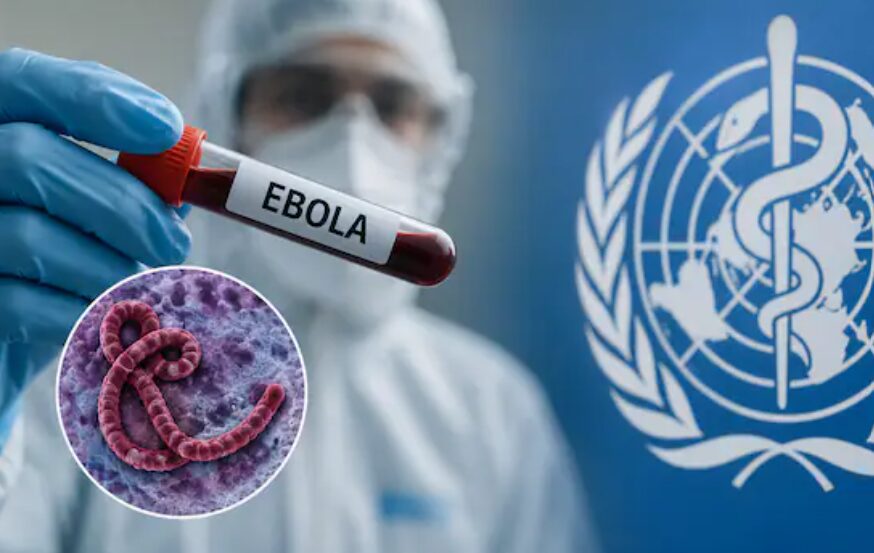
Health Cabinet Secretary Aden Duale has announced that Kenya is establishing dedicated holding areas at key border points to swiftly isolate and manage any potential Ebola cases, as the government ramps up preparedness amid the ongoing outbreak in the Democratic Republic of Congo (DRC) and Uganda.
Speaking during a media briefing on Wednesday, May 27, Duale confirmed that the country has already deployed screening teams and verification officers at all major entry points, particularly along the Kenya-Uganda and Kenya-South Sudan borders. Mobile laboratories are operational, and three national laboratories are running 24/7 to test samples for the Bundibugyo strain of Ebola.
“We are putting up a holding area within the border in the event that we get a case. The country is fully prepared,” Duale stated. He added that the government is also conducting extensive traceability, actively tracking and testing individuals who have visited the affected regions in the past month.So far, Kenya has screened over 48,000 people with no confirmed Ebola cases recorded.
Three suspected cases and several contacts have tested negative, providing reassurance even as vigilance remains high. The Ministry of Health has identified 22 high-risk counties and mapped isolation and treatment facilities across the country, including at border locations such as Busia, Malaba, and points in Turkana.
He emphasized community awareness as a critical layer in the multi-sectoral response coordinated through the Kenya National Public Health Institute (KNPHI).
The measures come as the Ebola outbreak in eastern DRC continues to cause concern, with regional spread risks heightened.
The development also follows reports that the United States is considering Kenya as a location for a quarantine facility for exposed American citizens, adding another dimension to the country’s role in regional biosecurity.
Kenya Civil Aviation Authority has issued travel advisories, and enhanced screening is in place at airports and land borders, though normal flight operations continue. No blanket quarantines have been imposed on travelers or truck drivers; instead, the focus remains on targeted, science-based interventions in line with international health regulations.
Public health experts commend the proactive stance, noting Kenya’s experience in managing previous disease outbreaks. However, success will depend on sustained funding, community cooperation, and seamless coordination between national and county governments.
As East Africa grapples with the threat, Duale reassured citizens that Kenya remains Ebola-free while maintaining the highest level of alertness. “We are not taking any chances,” he affirmed.The situation is being closely monitored, with more updates expected as regional dynamics evolve.

Stateupdate Media Group |SMG
Contributor at State Update.
Related News

‘Media Houses Have Been Called To Delete My Press’ Ichuni MCA Says After Fall Out With Kisii Governor Arati

All You Need To Know On Alliance High School: KCSE Results, Fees, and Complete Admission Guidelines

Photos: Matiang’i and Gachagua attend Kalonzo’s Son Wedding in a Colorful Ceremony

Veteran Broadcaster Fred Machoka Testifies in HIV Defamation Case Against Robert Alai

Highly Charged Protests Erupt As Matatu Fuel Strike Starts, Kenyans Forced To Walk

TSC CEO Nancy Macharia Reveals the Exact Number of Teachers Employed in Junior Secondary School
Latest News

Martha Karua Set to Grace Nakuru as PLP Opens New Offices, Farmers Party Joins Opposition Camp

Ugandans in Kenya Warned After Ruto’s Urgent Directive

Mount Kenya Hawkers Accused of Double Standards Over Ruto’s Foreign Traders Directive: Senator Samson Cherargei Sparks Debate

CS Joho and MP Sudi Deliver Ruto’s Condolences to Tanzania’s President Samia

Kenyans In Burundi Sent A Strong Message By The Government