US Makes Major Move On Ebola In Kenya

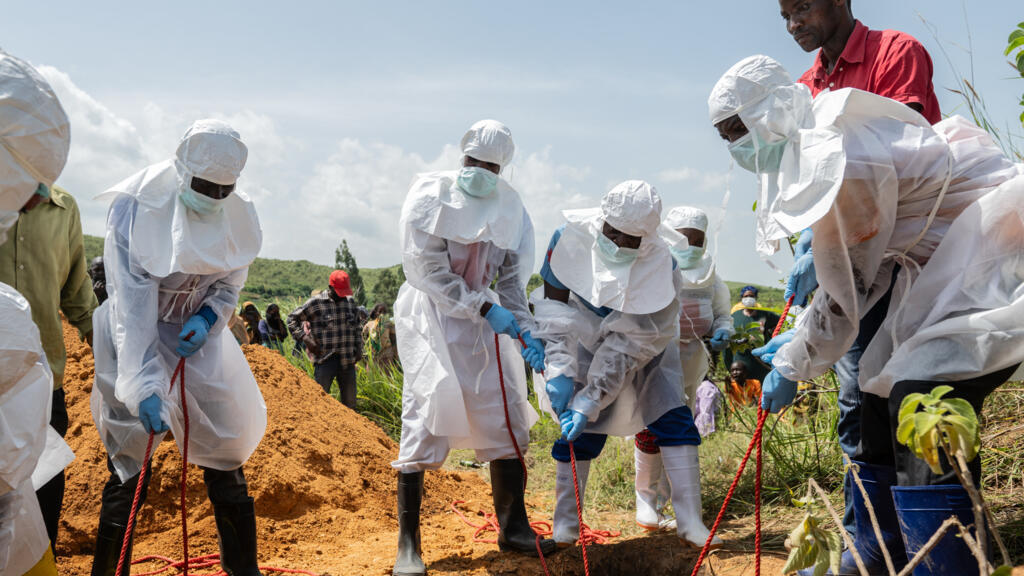
In a significant public health move, the United States under the Trump administration is racing to set up a quarantine and monitoring facility in Kenya for American citizens exposed to the ongoing Ebola outbreak in the Democratic Republic of Congo (DRC).
The plan, first reported by The Wall Street Journal and The New York Times, marks a departure from past practices where infected or exposed U.S. nationals were typically repatriated for treatment.
The facility, which was still pending formal approval from the Kenyan government as of Tuesday, will be staffed by U.S. Public Health Service officers.
It aims to handle Americans who have been exposed to or are at high risk of contracting the Bundibugyo strain of Ebola currently spreading in eastern DRC and potentially affecting neighboring regions. Those who test positive may receive initial monitoring in Kenya, with severe cases possibly transferred to specialized facilities in Europe.
This development comes amid heightened global concerns over the 2026 Ebola outbreak in Ituri Province, DRC, which has recorded over 1,000 suspected and confirmed cases and hundreds of deaths.
The U.S. has already imposed travel restrictions, enhanced screening at select airports for travelers from DRC, Uganda, and South Sudan, and temporary bans affecting certain visa holders to prevent the virus from reaching American soil.
Kenyan officials have not yet issued an official statement on the proposed facility, but the move is likely to spark debate. While some view it as an opportunity for Kenya to demonstrate regional health diplomacy and potentially benefit from U.S. medical infrastructure and training, others worry about the risks of hosting a high-containment Ebola facility in a country that has never recorded a domestic Ebola case.
Public health experts note that Kenya’s strategic location, relatively developed medical infrastructure in Nairobi, and history of managing other infectious disease outbreaks make it a practical choice for the U.S. However, local voices, including on social media, have raised questions about safety protocols, community engagement, and whether Uganda – which has more experience containing Ebola – might have been a more suitable host.
The Trump administration’s decision reflects a broader “America First” approach to biosecurity, prioritizing the containment of the virus overseas rather than risking importation into the U.S. President Trump recently stated that Ebola remains “confined right now to Africa,” while emphasizing aggressive containment measures.
For Kenya, hosting the facility could bring short-term economic benefits through U.S. funding and logistics support, but it also carries reputational and health security implications. The government will need to weigh these factors carefully before granting approval.
The World Health Organization and Africa CDC have warned of the “very high” risk of further spread within the region, with ten countries considered at elevated risk, including Kenya itself. International cooperation is seen as critical to containing the outbreak before it escalates into a wider continental or global threat.
As negotiations continue, all eyes remain on how Kenya balances its partnership with the U.S. against domestic public health priorities. This story is developing, with more details expected in the coming days as the facility plans progress.

Stateupdate Media Group |SMG
Contributor at State Update.
Related News
The Only Powerful Politician Who Could Save Nyaribo From Impeachment

Mogalfa Digital Agency: Driving Africa’s Digital Transformation

Gen Z Founder Who Built an AI Training Business Before Graduating

Understanding KUCCPS Clusters and Cut-off Points

Online Opinion Poll Reveals Kenyans Most Preferred Presidential Candidate Ahead Of 2027 Elections

Iran Hit Hard As War With Israel & USA Leads To Hard Consequences
Latest News
Martha Karua Set to Grace Nakuru as PLP Opens New Offices, Farmers Party Joins Opposition Camp

Ugandans in Kenya Warned After Ruto’s Urgent Directive

Mount Kenya Hawkers Accused of Double Standards Over Ruto’s Foreign Traders Directive: Senator Samson Cherargei Sparks Debate
CS Joho and MP Sudi Deliver Ruto’s Condolences to Tanzania’s President Samia
Kenyans In Burundi Sent A Strong Message By The Government