TSC Tightens Leash on Teachers Over Social Media Conduct

The Teachers Service Commission (TSC) has issued a stern warning to educators across the country against engaging in cyberbullying, harassment, and other forms of unprofessional conduct on social media platforms, cautioning that offenders will face strict disciplinary procedures.
In an official directive issued on Thursday, August 13, 2026, the employer cautioned that the ethical standards and professional code mandated for educators apply online just as strongly as they do inside the classroom. The warning follows a troubling rise in cases involving teachers using digital spaces to intimidate colleagues, post offensive content, or engage in digital misbehavior.
Constitutional Boundaries and Professional Code
While acknowledging that educators enjoy freedom of expression under Article 33 of the Constitution of Kenya, 2010, the Commission clarified that this right is not absolute.
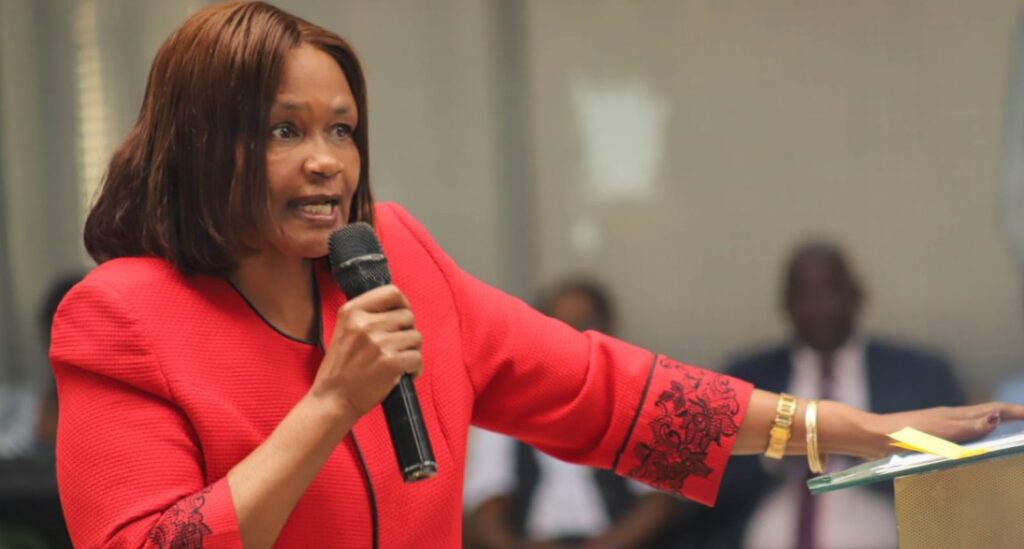
“Whereas the Constitution of Kenya guarantees freedom of expression under Article 33, such freedom cannot extend to propaganda for war, incitement to violence, hate speech, advocacy of hatred, or expression that constitutes ethnic incitement, vilification, or discrimination,” stated TSC Acting Chief Executive Officer Evaleen Mitei.
The Commission emphasized that teachers are duty-bound to uphold the dignity, integrity, and public standing of the teaching profession in all interactions—whether in physical spaces or on digital forums such as Facebook, WhatsApp, X (formerly Twitter), and TikTok.
Key Highlights of the TSC Directive
   1. DIGITAL ETHICS APPLIED
   Professional standards mandated by the Code of Conduct and Ethics (2015)
   apply fully to all social media interactions.

   2. ZERO TOLERANCE FOR BULLYING
   Cyberbullying, personal harassment, ethnic vilification, and intimidation
   attract immediate disciplinary measures under the TSC Act.

   3. DATA PRIVACY & LEARNER PROTECTION
   Educators must strictly safeguard the privacy and personal information
   of learners and colleagues when posting online.

   4. INSTITUTIONAL OVERSIGHT
   Curriculum Support Officers (CSOs) and Heads of Institutions (HOIs) are tasked
   with monitoring and reporting online misconduct.
Protecting Privacy and Institutional Dignity
Beyond inflammatory language, the Commission expressed deep concern regarding the breach of data privacy. Teachers were reminded of their legal obligation to protect the confidentiality and personal information of learners and fellow staff members when participating in online discussions.
The regulator noted that while digital platforms have become vital spaces for educators to discuss sector issues—such as career progression, working conditions, and educational reforms—such engagements must never descend into conduct that brings the teaching service into disrepute.
Oversight and Consequences
Under the reinforced directive, Heads of Institutions (HOIs) and Curriculum Support Officers (CSOs) have been instructed to monitor and report instances of online misconduct within their jurisdictions.
Teachers found in violation of Clauses 10, 12, and 24 of the Code of Conduct and Ethics for Teachers (2015) risk formal disciplinary proceedings pursuant to the Teachers Service Commission Act and the Code of Regulations for Teachers, which may include interdiction, suspension, or deregistration from the teaching roll.
The Commission called on all educators to practice restraint, exercise digital responsibility, and uphold the trust placed in them as role models for the nation’s youth.

Stateupdate Media Group |SMG
Contributor at State Update.
Related News

Duale Gives Updates On Ebola In Kenya Announces New Measures

From Cleaner to CEO: My Manager Betrayed Me, Here’s What It Taught Me About Business

Uhuru Storms Top Presidents Event As Ruto Meets France President

Dr. Fred Matiang’i Uphill Task In 3 Nyamira By-Elections As Campaigns Gain Momentum

Raila Arsenal Messages Flow As Team Wins EPL after 22 Years

Will Gachagua Vie 2027? Constitutional Crisis, High Stakes, and the Quest for Justice at Milimani Courts
Latest News
Martha Karua Set to Grace Nakuru as PLP Opens New Offices, Farmers Party Joins Opposition Camp

Ugandans in Kenya Warned After Ruto’s Urgent Directive

Mount Kenya Hawkers Accused of Double Standards Over Ruto’s Foreign Traders Directive: Senator Samson Cherargei Sparks Debate

CS Joho and MP Sudi Deliver Ruto’s Condolences to Tanzania’s President Samia

Kenyans In Burundi Sent A Strong Message By The Government