Broad-Based Family? The Political Dynasty Behind Kenya’s Power Sparks National Debate

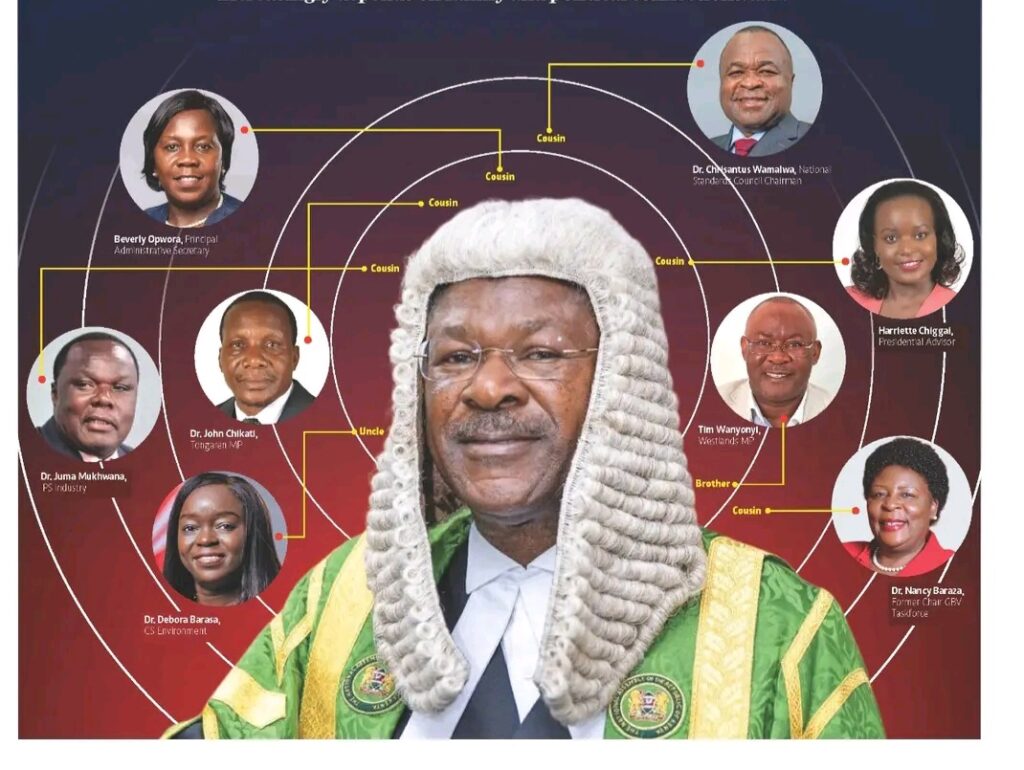
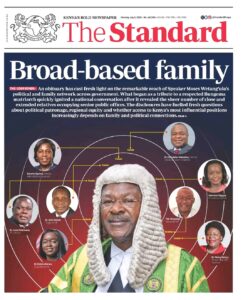
A fresh national debate has emerged after an obituary honoring the late matriarch of the family of National Assembly Speaker Moses Wetang’ula revealed the extensive network of close relatives serving in influential public positions. The disclosures, highlighted by the The Standard, have reignited discussions about political patronage, merit-based appointments, and regional representation in Kenya’s public service.
The report illustrates how several individuals linked to the Speaker through family ties occupy senior government and public sector roles.
Among those mentioned are Principal Administrative Secretary Beverly Opwora, National Standards Council Chairman Dr. Chrysantus Wamalwa, Presidential Advisor Harriette Chiggai, Tongaren MP Dr. John Chikati, Westlands MP Tim Wanyonyi, Environment Cabinet Secretary Dr. Deborah Barasa, former Ewaso Ng’iro South Development Authority Chair Dr. Nancy Baraza, and Industry Principal Secretary Dr. Juma Mukhwana. The relationships range from cousins and siblings to uncles and other close relatives.
While no evidence has been presented to suggest that any of the appointments were made unlawfully or that the individuals are unqualified, the concentration of relatives in prominent offices has prompted widespread public scrutiny. Critics argue that such a pattern raises concerns about fairness, equal opportunity, and whether political influence has become a determining factor in accessing senior government positions.
Supporters, however, maintain that family members should not be denied opportunities solely because of their relationship to a prominent political leader. They argue that every appointment should instead be judged on qualifications, competence, and adherence to constitutional recruitment procedures.
The revelations have fueled renewed calls for greater transparency in public appointments and stronger safeguards to ensure that merit remains the primary criterion for leadership positions. As the conversation continues across the country, the issue is likely to shape public discourse on governance, accountability, and the fight against perceived nepotism in Kenya’s public institutions.

Daniel Mutuva | Correspondent
Contributor at State Update.
Related News

Sironga Girls’ High School 2024 KCSE Results; Performance Analysis and Grade Distribution

Maseno School 2025 Fee Structure and Academic Overview

Who Keeps Kenyans Poor? Ng’ang’a Muigai Exposes the Systemic Chains of Poverty in Kenya

Raila Being Squizzed Like Gachagua Video Resurfaces After Riggy-G Chaotic Return Sparks Parallels

Martha Karua Blasts ‘Unholy Alliance’ for Surge in Abductions and Killings, Vows to Fight Back

From Village Roots to Neurosurgery: Dr. Bundi Karau’s Blueprint for Academic and Professional Excellence
Latest News

Martha Karua Set to Grace Nakuru as PLP Opens New Offices, Farmers Party Joins Opposition Camp
Ugandans in Kenya Warned After Ruto’s Urgent Directive

Mount Kenya Hawkers Accused of Double Standards Over Ruto’s Foreign Traders Directive: Senator Samson Cherargei Sparks Debate
CS Joho and MP Sudi Deliver Ruto’s Condolences to Tanzania’s President Samia

Kenyans In Burundi Sent A Strong Message By The Government