Africa Day 2026: Environmental Groups Demand End to “Waste Colonialism” in Africa

By Job Maangi
As Africa marked Africa Day, environmental organisations across the continent renewed calls for urgent action against what they describe as “waste colonialism” — the continued export of hazardous waste from wealthy nations to African countries.
The statement, jointly issued by the Global Alliance for Incinerator Alternatives and Break Free From Plastic Africa, condemned the practice of shipping plastic waste, e-waste, textile waste, and other hazardous materials from high-income countries to nations with limited waste management capacity.
The organisations said African countries are increasingly becoming dumping grounds for waste generated in the Global North, often disguised as recyclable materials.
“We are witnessing our environments, our communities, and our informal waste workers being forced to shoulder a burden that is not theirs,” the statement said.
The groups noted that despite decades of global recycling campaigns, only 9 percent of all plastic produced since the 1950s has been recycled. They accused countries including the United States, Italy, Germany, and Greece of continuing to export hazardous waste to African nations.
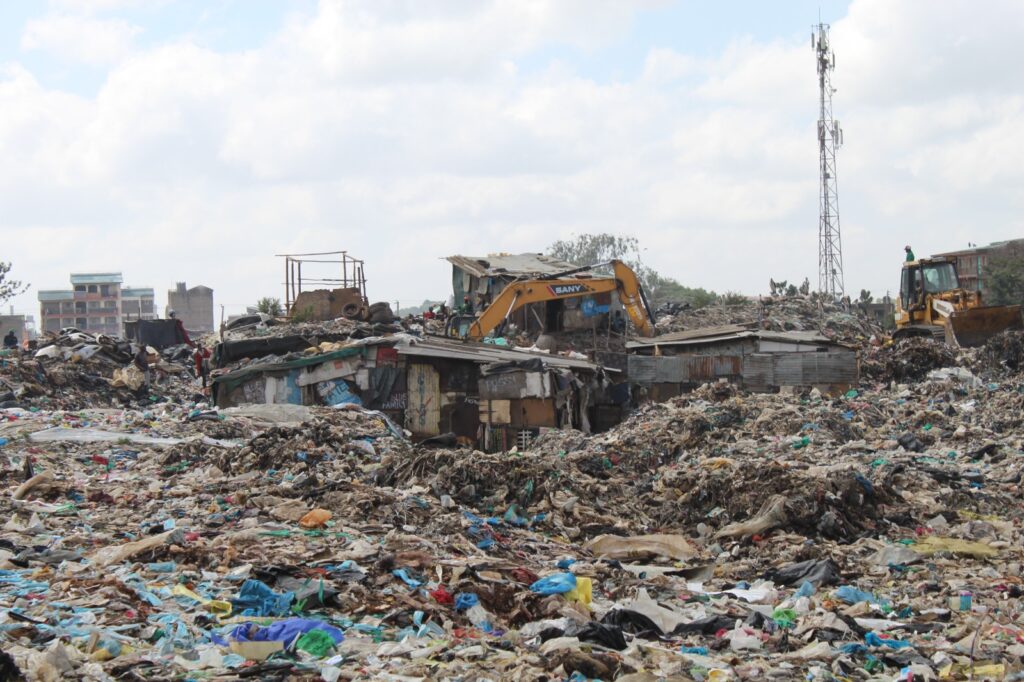
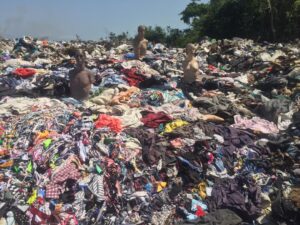
Environmental advocates highlighted growing concerns in waste hotspots such as Accra, Nairobi, and Lagos, where dumpsites reportedly contain illegal imports of toxic electronics, hazardous plastics, second-hand clothing, and chemical waste.
The statement also raised alarm over the impact on vulnerable communities, particularly children working in toxic dumping sites.
“Most tragically, children are working in toxic waste dumps, exposed to chemicals and pollution with devastating health impacts, because wealthy nations continue to benefit from global systemic inequality,” the organisations said.
Gilbert Kuepouo, Executive Director of the Centre de Recherche et d’éducation pour le Développement (CREPD), criticised the slow implementation of the Bamako Convention, which was adopted to prohibit the import of hazardous waste into Africa.
“Thirty-five years after its adoption, the Bamako Convention counts only 30 ratifications and only three Conferences of the Parties organised,” Kuepouo said. “This is a paradox for a region that deliberately designed this instrument to protect itself and its people against waste colonialism.”
Environmental groups argued that while the Bamako Convention offers stronger regional protections than the Basel Convention, weak enforcement and limited political commitment continue to undermine its effectiveness.
The organisations urged all African governments to ratify and fully implement the convention while strengthening border controls against illegal waste imports.
Hellen Dena, project lead for the Pan-African Plastic Project at Greenpeace Africa, warned of the widespread effects of waste colonialism, including toxic pollution, carbon emissions, and labour exploitation.
“To fix this, we need stronger laws — like extended producer responsibility and stricter supply chain regulations — to ensure brands are held accountable from production to disposal,” Dena said.
Meanwhile, Justine Maillot of the Environmental Investigation Agency called for strict enforcement of new European Union rules on plastic waste exports.
“EU plastic waste exports to African countries must not only be prohibited on paper, but stopped in reality,” Maillot said.
The groups also called on Western manufacturers to take responsibility for the waste they generate instead of shifting environmental costs to developing nations.
Jim Puckett, Executive Director and Founder of the Basel Action Network, praised Africa’s stance against waste imports and urged stronger resistance to plastic pollution.
“Africa has led the way in saying no to waste trade. It’s time to lead in saying no to plastic,” he said.
Sirine Rached stressed that reducing plastic production globally remains essential.
“Plastic waste prevention — which begins with addressing plastic overproduction — is critical,” Rached said, adding that future global plastic treaty negotiations must address the issue directly.
The organisations concluded their Africa Day message with a renewed appeal for environmental justice and protection of future generations.
“Africa’s future generations must not be left to pay the price for the world’s waste — Africa is not a dumping ground,” the statement said.

Job Maangi| Reporter
Contributor at State Update.
Related News

Veteran Broadcaster Fred Machoka Testifies in HIV Defamation Case Against Robert Alai

Winnie Reveals The Fate Of ODM After Ida Odinga’s Appointment By Ruto

From One Suit to Stardom: Ex-Ndizi TV Presenter Job Maangi Shares Inspiring Journey to Success

St. Peter’s Nyakemincha Secondary School 2024 KCSE Results: Performance Analysis and Grade Distribution

IEBC Jobs Update: Click To Check

The Mirage of Devolution: Why the Government is Starving the Counties
Latest News

Martha Karua Set to Grace Nakuru as PLP Opens New Offices, Farmers Party Joins Opposition Camp

Ugandans in Kenya Warned After Ruto’s Urgent Directive

Mount Kenya Hawkers Accused of Double Standards Over Ruto’s Foreign Traders Directive: Senator Samson Cherargei Sparks Debate
CS Joho and MP Sudi Deliver Ruto’s Condolences to Tanzania’s President Samia
Kenyans In Burundi Sent A Strong Message By The Government