Tension High As Ebola Treatment Tents Burned as Protesters Attempt to Retrieve Body

By Stateupdate Media Group |SMGFriday, May 22, 2026 · 12:01 AM
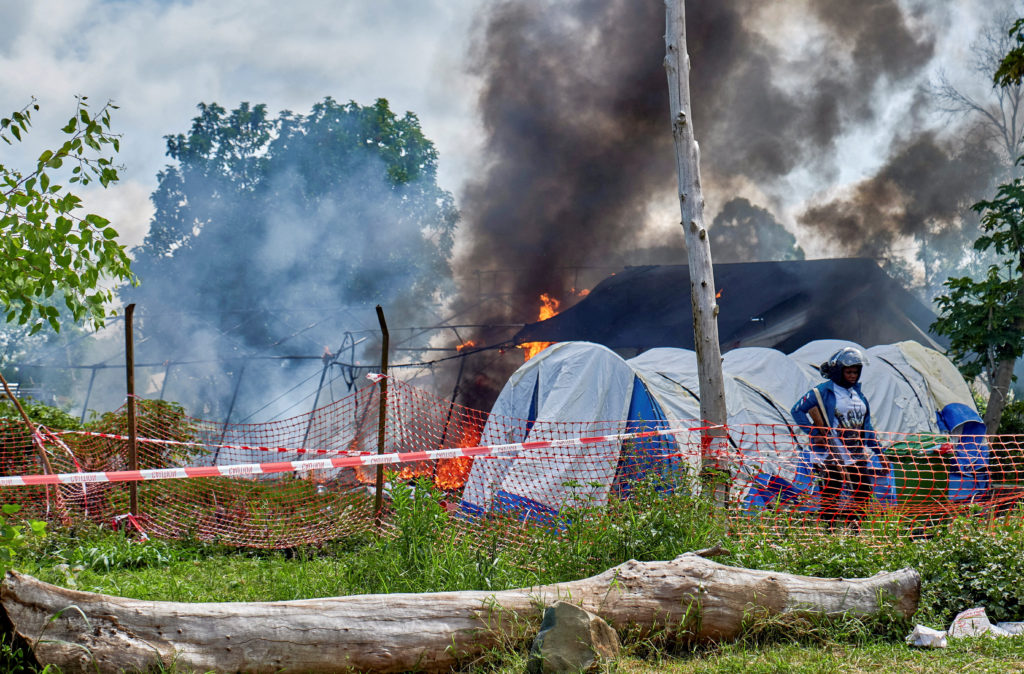
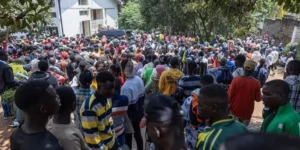
In a dramatic escalation of local fears surrounding the ongoing Ebola outbreak in eastern Congo, protesters set fire to tents at an Ebola treatment center in Rwampara on Thursday, as relatives attempted to retrieve the body of a young man believed to have died from the virus.
According to witnesses and local officials, tensions erupted when family members and friends of the deceased were denied access to his body at Rwampara Hospital, in line with health protocols designed to prevent further spread of the highly contagious disease.
The group, reportedly including local youths, became agitated and began throwing projectiles at the facility, leading to a fire that destroyed at least two treatment tents. An Associated Press journalist at the scene observed protesters breaking into the center, setting fire to objects inside, and even targeting what appeared to be the body of a suspected Ebola victim.
A senior police officer confirmed the incident, noting the growing anger and fear among residents grappling with the outbreak.“His family, friends, and other young people wanted to take his body home for a funeral even though the instructions from the authorities during this Ebola virus outbreak are clear,” said one local official.
The incident highlights deep-seated community resistance to Ebola control measures in the region. Similar past outbreaks in the DRC have seen distrust of health authorities, fueled by misinformation, cultural practices around burial, and broader frustrations with governance and security in conflict-affected eastern provinces. Some residents have reportedly dismissed Ebola as a “white man’s disease,” despite evidence that the virus often spreads during traditional funeral rites involving close contact with the deceased.
Health officials have described the current outbreak as significant, urging “all hands on deck” to contain it. The DRC has a history of Ebola epidemics, with previous responses complicated by armed conflict, community mistrust, and logistical challenges in remote areas.As of Thursday evening, reports indicated plumes of smoke rising from the facility, with gunshots heard in the background in some circulating footage.
No immediate casualty figures from the protest or updated outbreak statistics were available, but the destruction of treatment infrastructure risks hampering response efforts at a critical time.
Authorities are expected to reinforce security around remaining health facilities while continuing contact tracing and public awareness campaigns.
International health partners, including the World Health Organization, have previously supported Ebola responses in the country with vaccines, therapeutics, and community engagement programs.This event underscores the complex interplay between public health emergencies and local grievances in one of Africa’s most volatile regions.
Further updates will depend on official statements from Congolese health and provincial authorities.

ABOUT THE WRITER
Stateupdate Media Group |SMG
Contributor at State Update.
Related News

Israel Strikes Iranian Intelligence in Tehran: Regional Escalation and Africa’s Fuel Price Shock

Gachagua to get 50% Shares of Proposed Government Power-Sharing Deal: Newspaper Review
USA: Climate Change and Corpus Christi’s Water Crisis: A Warning for Industry-Heavy Cities
Kenyans Warned On Cancer Related Dangerous Aflatoxin Cereals In The Market
Eburru Forest’s Revival: Climate Change, Sustainability, and the Race to Save Kenya’s Rift Valley Water Tower

Kamel Park Hotel Unveils Irresistible Getaway Packages for Every Adventurer
Latest News

Martha Karua Set to Grace Nakuru as PLP Opens New Offices, Farmers Party Joins Opposition Camp
Ugandans in Kenya Warned After Ruto’s Urgent Directive
Mount Kenya Hawkers Accused of Double Standards Over Ruto’s Foreign Traders Directive: Senator Samson Cherargei Sparks Debate
CS Joho and MP Sudi Deliver Ruto’s Condolences to Tanzania’s President Samia
Kenyans In Burundi Sent A Strong Message By The Government