Kenyans Warned On Cancer Related Dangerous Aflatoxin Cereals In The Market

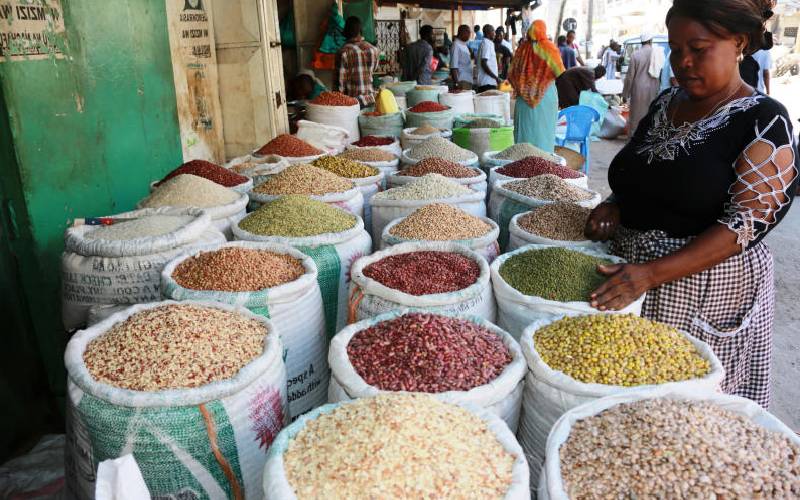
Kenyans have been urged to exercise caution when purchasing cereals after alarming findings revealed dangerously high levels of aflatoxin contamination in local markets. The warning, issued by the Kenya Agricultural and Livestock Research Organisation (KALRO) and the Kenya Bureau of Standards (KEBS), has reignited concerns over food safety and public health.
Speaking during World Food Safety Day on Tuesday, June 2, KALRO Director General Patrick Ketiem disclosed that samples collected from several markets contained contamination levels of up to 500 parts per billion (ppb), far exceeding the World Health Organisation’s maximum allowable limit of 10 ppb.
“The only acceptable limit by the World Health Organisation is 10 parts per billion. If you pass ten, it cannot be accepted,” Ketiem emphasized.
Aflatoxins are toxic substances produced by fungi that thrive on crops such as maize, sorghum, millet, and groundnuts, especially when stored under poor conditions. Long-term exposure has been linked to liver cancer, weakened immunity, birth defects, and impaired growth in children, making them one of the most serious food safety threats in developing countries.
Ketiem noted that the high cost of food safety testing remains a major barrier for small-scale farmers and traders, leaving many unable to verify the safety of their produce.
“The cost of food safety testing remains prohibitive for most farmers,” he said, calling for affordable and accessible testing services.
In response, KEBS has intensified its crackdown on unsafe food products. Geoffrey Muriira, KEBS Quality Assurance Director, confirmed that the agency has stepped up inspections and surveillance to ensure compliance with safety standards.
“If it is not safe, then it is not food, and this is the message we want everybody to have because this is a shared responsibility,” Muriira stated.
Experts attribute the contamination to poor post-harvest handling practices, inadequate drying, and improper storage, which create conditions for fungal growth. With cereals forming the backbone of Kenya’s food supply, the findings highlight the urgent need for stronger enforcement, farmer education, and investment in safer storage solutions.
Follow stateupdate.co.ke more newsupdates.

Stateupdate Media Group |SMG
Contributor at State Update.
Related News

Kereri Girls High School Anatomy: KCSE Blue Print, Strict Admission Guidelines, and the Foundations of Discipline

Riokindo Boys High School 2024 KCSE Results: Performance Analysis and Grade Distribution

France vs Morocco: World Cup Quarter-Final Showdown Promises Fireworks as European Giants Face Africa’s Fearless Lions

KUCCPS Explainer: How Cut-off Points Are Set

The Fate Of Oburu: Simba Arati Makes New Secret Revelation In Coded Language

Mike Sonko Petitions Harambee Stars’ Elimination from CHAN
Latest News

Martha Karua Set to Grace Nakuru as PLP Opens New Offices, Farmers Party Joins Opposition Camp

Ugandans in Kenya Warned After Ruto’s Urgent Directive

Mount Kenya Hawkers Accused of Double Standards Over Ruto’s Foreign Traders Directive: Senator Samson Cherargei Sparks Debate

CS Joho and MP Sudi Deliver Ruto’s Condolences to Tanzania’s President Samia

Kenyans In Burundi Sent A Strong Message By The Government