Ebola: Big Announcement from USA On Ebola Facility Despite Protests

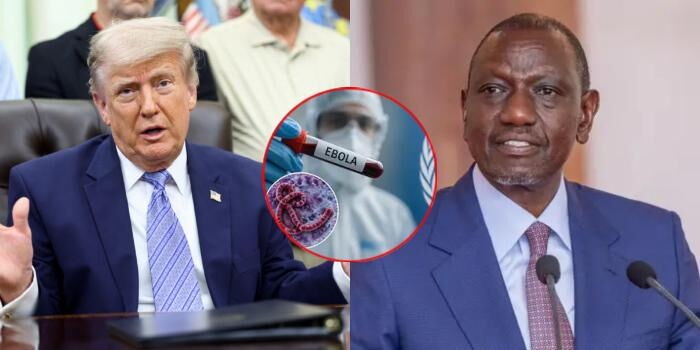
Dr. Mehmet Oz, Administrator of the Centers for Medicare and Medicaid Services and a key Trump health adviser, defended the initiative. Speaking at a White House briefing, Oz emphasized that proximity to the DRC would enable faster treatment within the critical early window for Ebola patients. Long-haul flights back to the United States could delay care and increase risks, he argued.
The outbreak, declared a Public Health Emergency of International Concern by the WHO in May 2026, involves the Bundibugyo strain of Ebola. As of early June, DRC has reported hundreds of confirmed cases and dozens of deaths, with spread into Uganda. The virus’s high fatality rate and potential for rapid deterioration underscore the urgency of rapid-response infrastructure.
Kenyan President William Ruto has backed the project, describing it as part of broader national preparedness and longstanding US-Kenya health partnerships. He noted the facility could benefit Kenyans as well. However, the proposal triggered immediate backlash.
Kenya’s High Court has twice intervened, issuing and extending suspension orders that halt construction, operation, and admission of any foreign Ebola patients. Judges demanded full disclosure of bilateral agreements, risk assessments, and biosafety protocols.
Supporters highlight Kenya’s strategic location and existing military cooperation with the US. The facility was reportedly slated for rapid activation with $13.5 million in funding. Opponents counter that similar capabilities exist closer to the outbreak or in better-resourced nations, and that Kenya should not bear the primary risk for American personnel.

Stateupdate Media Group |SMG
Contributor at State Update.
Related News

How to Access Your 2024 KCSE Results

Safe Organic Biopesticides: Why Private Company Innovators and NGOs Need Government Backing

Big Trouble In Kenya’s Hospital, Fresh Storm In Politics

Female Police Officer Attacked During Nairobi CBD Protests After Officers Were Chased Away By Angry Protestors

University Announces Free Online Courses to Kenyans; How to Register

Shock as KNEC Sends Secret Warning Letters to Three Exam Centres
Latest News
Martha Karua Set to Grace Nakuru as PLP Opens New Offices, Farmers Party Joins Opposition Camp
Ugandans in Kenya Warned After Ruto’s Urgent Directive
Mount Kenya Hawkers Accused of Double Standards Over Ruto’s Foreign Traders Directive: Senator Samson Cherargei Sparks Debate
CS Joho and MP Sudi Deliver Ruto’s Condolences to Tanzania’s President Samia

Kenyans In Burundi Sent A Strong Message By The Government