Dr Job Obwaka’s Wife Breaks Silence On Side Chick, As She Confronts Statehouse

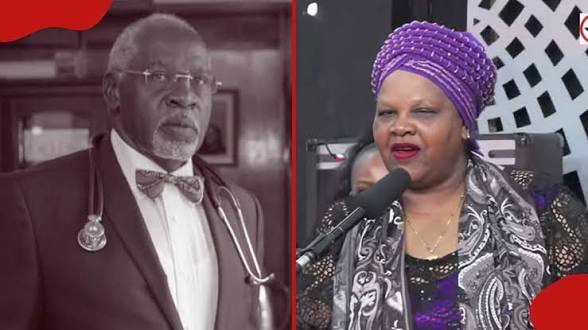
The life of Dr. Job Obwoka, a man celebrated for 46 years of partnership and professional dedication, took a dark and complicated turn in his final months. During a requiem service held in Nairobi, his widow, Everlyn Chai Obwoka, shared a poignant account of the tribulations that overshadowed the end of his life.
What was intended to be a prestigious appointment as the Chairperson of the Board of Directors at Nairobi Hospital in 2025 instead became the catalyst for a series of harrowing events that left the doctor fearing for his safety.
According to Mrs. Obwoka, the challenges began shortly after the Office of the President selected Dr. Obwoka and six others to implement essential reforms at the hospital. While the mission was to “clean up” the institution’s operations, the path to reform was met with significant resistance from high-ranking officials.
The psychological toll of these professional wrangles was immense. Mrs. Obwoka described the period as one of the darkest chapters for their family, marked by a lack of peace and constant anxiety.
This stress reached a breaking point in March 2024, when Dr. Obwoka was arrested and detained amidst the ongoing leadership disputes at the hospital. During this time, he confided in his wife that he believed his life was in imminent danger, a fear that cast a long shadow over their household.
In a moment of striking candor during the service, Everlyn also addressed the complexities of her husband’s private life and the circumstances surrounding his death.
She noted that while she considered him “hers” within the walls of their home, she did not attempt to control or track his movements once he stepped outside.
Everlyn shared the final, mundane details of their last morning together, recalling a routine breakfast that gave no hint of the tragedy to follow. As the family prepares for his final send-off, the widow’s testimony serves as a stark reminder of the personal cost often paid by those who stand at the forefront of institutional reform. The legacy of Dr. Job Obwoka remains a complex tapestry of professional courage, political pressure, and the private vulnerabilities of a man whose final days were marked by both public duty and personal controversy.

Stateupdate Media Group |SMG
Contributor at State Update.
Related News

Exclusive: Inside the Limuru Chaos – How Gachagua’s Funeral Ambush Was Masterminded
Ruto Fires Back After Sifuna’s ‘Shiny Projects’ Jab Sparks Political Heat
Former Chief Justice David Maraga Breaks Silence, Condemns Killing and Torture of Young Kenyans in Fiery Statement

Stones, Vehicles Smashed! United Opposition Team Attacked on Campaign Trail as By-Elections Heighten Political Tension
From 104 Pitches Rejection to a Multinational Breakthrough : The Resilient Journey of Cedric Nzomo
US Makes Major Move On Ebola In Kenya
Latest News

Martha Karua Set to Grace Nakuru as PLP Opens New Offices, Farmers Party Joins Opposition Camp
Ugandans in Kenya Warned After Ruto’s Urgent Directive
Mount Kenya Hawkers Accused of Double Standards Over Ruto’s Foreign Traders Directive: Senator Samson Cherargei Sparks Debate
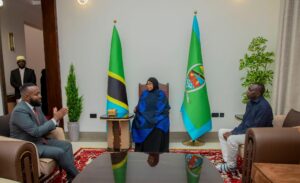
CS Joho and MP Sudi Deliver Ruto’s Condolences to Tanzania’s President Samia
Kenyans In Burundi Sent A Strong Message By The Government