Citizen Tv Seth Olale Leaks Worrying Details After Interview President

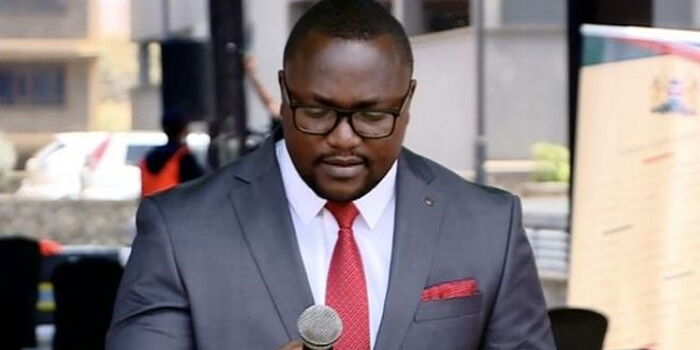
In the high-stakes world of broadcast journalism, the public often sees only the polished end product: the crisp suit, the studio lights, and the high-profile interview. However, for seasoned professionals like Citizen TV’s Seth Olale, the reality of the craft is a stark, dual existence that bridges absolute glamour and gritty endurance.
Recently, Olale provided a rare glimpse into this life via his X (formerly Twitter) account. Reflecting on the demands of his profession, he captured the essence of the job, noting: “From interviewing a President on red carpet to getting rained on a Boda Boda on your way back to work. Those are the two sides of journalism. You’re not the same.”
Olale’s career is defined by such contrasts. As a senior investigative and current affairs reporter, he has commanded the national stage with access to leaders at the highest levels of governance. A testament to his journalistic caliber is his recent exclusive interview with Madagascar’s President, HE Colonel Michael Randrianirina, where they delved into the pressing issues of regional peace and security.
Yet, this high-level diplomatic engagement is just one facet of his work. The very same journalist who facilitates dialogues with heads of state is often the one navigating Nairobi’s chaotic traffic on the back of a boda boda (motorcycle taxi) during a downpour, racing to meet a broadcast deadline. This juxtaposition highlights the sheer versatility required of modern journalists—they must be as comfortable in a presidential palace as they are in the mud of a breaking news scene.
The Unseen Challenges of the Kenyan Journalist
Olale’s candid reflection sheds light on the often-underestimated challenges that Kenyan journalists face daily. Beyond the weather and transportation hurdles, the profession is fraught with systemic difficulties:
-
Physical and Security Risks: Reporting on sensitive topics—such as corruption, political malpractice, or civil unrest—often places journalists in the line of fire, subjecting them to physical assaults, arrests, and intimidation.
-
Economic Pressures: The media industry faces declining revenues, which often trickles down to economic uncertainty for reporters, threatening their independence and ability to resource deep-dive investigations.
-
Political Interference: In a polarized political climate, journalists frequently face pressure from political actors to tailor narratives, undermining their ability to remain objective.
-
Mental Toll: The job requires reporting on tragedy and trauma, which, combined with the pressure of 24-hour news cycles, can lead to extreme stress and burnout.
The Resilience of the Profession
Despite these daunting realities, journalists like Seth Olale continue to push the boundaries of storytelling. His journey—from humble beginnings to the frontlines of major news events—remains an inspiration to many. By embracing both the “red carpet” moments and the rain-soaked commutes, he underscores a crucial truth: journalism is not merely a job; it is a call to service that demands resilience, passion, and an unwavering commitment to the truth, regardless of the conditions on the ground.

Stateupdate Media Group |SMG
Contributor at State Update.
Related News

TSC Announces Job Opportunities: How To Apply
Meet Kakamega Boy with A Plain Aspiring to Be a Traffic Police Officer
Okero Allies Boycott as Nyabaro Chairs First Nyamira Assembly Sitting
Bloodbath in Goma, DR Congo: 700 Dead as M23 Rebels Close in on Bukavu – Is Kinshasa Next?
Citizen Tv Rashid Abdalla Sad As Kidney Complications Patient Narrates Her Story
Nyambaria High School 2024 KCSE Results: Performance Analysis and Grade Distribution
Latest News

Martha Karua Set to Grace Nakuru as PLP Opens New Offices, Farmers Party Joins Opposition Camp
Ugandans in Kenya Warned After Ruto’s Urgent Directive
Mount Kenya Hawkers Accused of Double Standards Over Ruto’s Foreign Traders Directive: Senator Samson Cherargei Sparks Debate
CS Joho and MP Sudi Deliver Ruto’s Condolences to Tanzania’s President Samia
Kenyans In Burundi Sent A Strong Message By The Government