Citizen Tv Rashid Abdalla Sad As Kidney Complications Patient Narrates Her Story

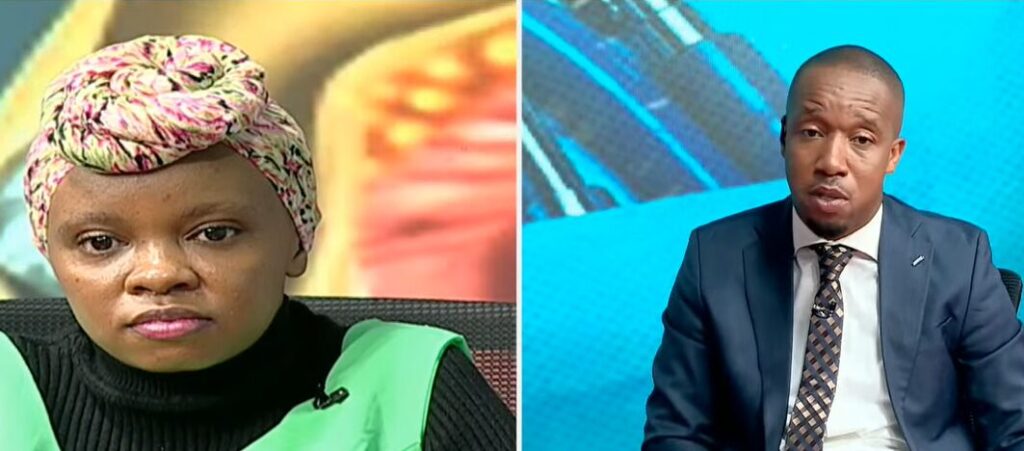
In a poignant and stirring broadcast on Citizen TV’s Shajara na Rashid, the plight of Mary Gidhinji, a young nurse whose life has been a relentless cycle of medical hurdles, has sparked a national conversation about the gaps in Kenya’s healthcare system.
Mary, who should be on the front lines saving lives, is now fighting for her own as she faces end-stage renal failure. Her story is not just one of individual suffering but a testament to maternal sacrifice and a clarion call for systemic reform in how the country manages chronic diseases.
The interview revealed a harrowing medical history that began almost at birth. By the age of two, Mary had already undergone major heart surgery to repair a life-threatening hole in her heart. The tragedy deepened when she was only six years old; her father passed away from kidney complications, leaving her mother to raise two daughters under the weight of immense financial and emotional strain. Despite these setbacks, Mary excelled in her studies, fueled by a desire to enter the medical profession and give back to the community that saw her through her childhood ailments. She successfully trained as a nurse, but just as she was beginning her career, the very organs that failed her father began to fail her.
The dynamic between the mother and daughter is one of profound love and “heavy” guilt. Mary confessed to Rashid that she felt like a disappointment to her mother. In her vision of the future, she was the one who was supposed to provide a comfortable life for her parent, “plucking the fruits” of her hard-earned education to reward her mother’s years of labor. Instead, her mother is once again entering a hospital theater, this time to give up a part of her own body. This narrative of selflessness has touched many viewers, highlighting the lengths to which Kenyan families go when the state’s safety nets prove insufficient.
Beyond her personal struggle, Mary used her platform as a trained nurse to advocate for thousands of other “silent” patients. She pointed out a glaring discrepancy between international standards and Kenyan reality: while the World Health Organization (WHO) recommends three dialysis sessions per week for end-stage patients, many in Kenya only receive two because of the limitations of the National Hospital Insurance Fund (NHIF), now transitioning to the Social Health Insurance Fund (SHIF). For those in rural areas, the situation is even more dire, with some patients receiving only one session due to a lack of functional machines and the prohibitive cost of travel to urban centers.
Mary’s technical expertise shone through as she called for the decentralization of renal care. She urged the Ministry of Health and the Council of Governors to invest in “Renal Centers” at the dispensary and sub-county levels. Her argument is simple yet powerful: if the government can bring the machines to the people, the “equilibrium” of patient health can be maintained, preventing the rapid deterioration that leads to premature death. She also emphasized the importance of Community Health Workers in educating the public on diabetes and hypertension management, which are the primary precursors to kidney failure in the country.
The financial barrier remains the tallest hurdle for the Gidhinji family. A kidney transplant in India, including travel, surgery for both donor and recipient, and post-operative care, requires millions of shillings. Currently, the family has raised less than one million, a fraction of what is needed. Mary made a direct, humble appeal to prominent leaders, including Kikuyu MP Kimani Ichung’wah and philanthropist Mike Sonko, asking them to stand with a “daughter of the soil” who only wishes to return to her duties as a nurse and serve the Kenyan people once more.
The interview concluded with a somber reminder from Rashid Abdala: “Hujafa hujaumbika” (until you are dead, you are not yet fully formed/free from misfortune). This traditional Swahili proverb serves as a warning that health is fragile and can be taken from anyone at any time. The broadcast has mobilized a wave of support on social media, with many Kenyans calling for a more robust implementation of the Universal Health Coverage (UHC) program to ensure that cases like Mary’s do not rely solely on the whims of charity.
As the sun sets on another day of Mary’s dialysis, the clock is ticking. Her mother stands ready, a donor match in both blood and spirit. All that remains is the financial bridge to get them to the operating table. Mary’s story is a mirror held up to the nation—reflecting both the incredible resilience of the Kenyan spirit and the urgent need for a healthcare system that treats health as a right, not a privilege. Those wishing to support her journey can do so via her medical fund at 0795 526 072, a small gesture that could help a healer return to her calling.

Stateupdate Media Group |SMG
Contributor at State Update.
Related News
Meet 18-Year-Old Boy Who Excelled in 2024 KCSE by Selling Rabbits to Pay School Fees

Best Family-Friendly Hotels Near Arlington, Texas Entertainment District USA
Ebola Fear: Tension High In This Kenyan County, Residents Live In Scare

Fresh Details On Fire At Utumishi Girls Academy in Gilgil, Police Break Silence

Ndindi Nyoro Rejects Arsenal Celebrations Asks Kenyans To Focus On THis
RIP: Death Strikes, Throws Rigathi Gachagua Into Mourning
Latest News
Martha Karua Set to Grace Nakuru as PLP Opens New Offices, Farmers Party Joins Opposition Camp
Ugandans in Kenya Warned After Ruto’s Urgent Directive
Mount Kenya Hawkers Accused of Double Standards Over Ruto’s Foreign Traders Directive: Senator Samson Cherargei Sparks Debate
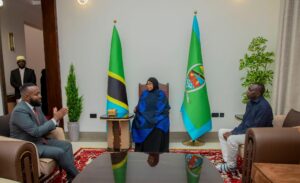
CS Joho and MP Sudi Deliver Ruto’s Condolences to Tanzania’s President Samia

Kenyans In Burundi Sent A Strong Message By The Government