Ebola: Results Of 18 Kenyan Samples Released, As 25 Counties Put On High Alert

By Stateupdate Media Group |SMGSunday, May 31, 2026 · 3:42 PM
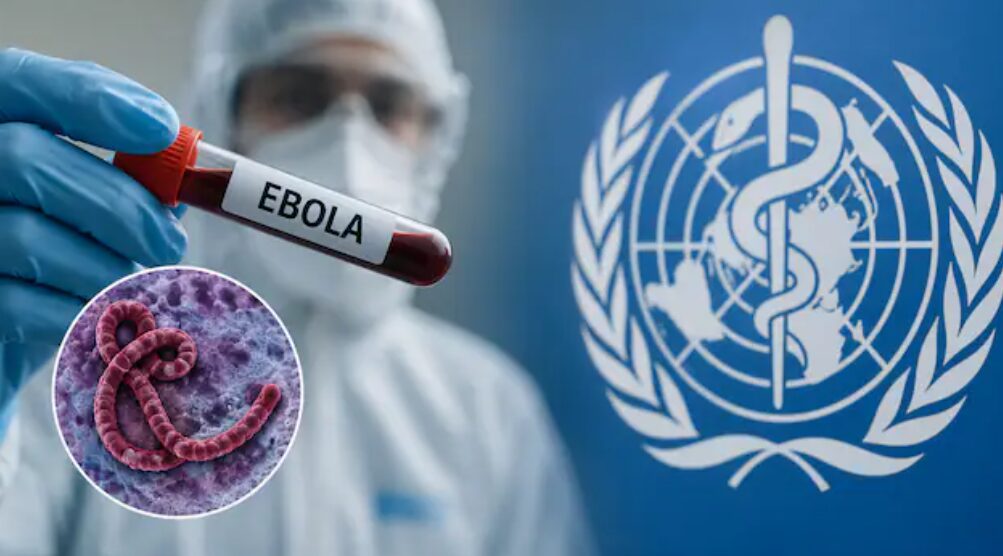
Public Health Principal Secretary Mary Muthoni revealed that 25 counties have been classified as elevated risk areas due to their proximity to borders and potential cross-border movement that could facilitate disease transmission.
The development comes as Kenya continues to strengthen its surveillance and preparedness measures against Ebola and other viral hemorrhagic fevers.
Health officials have urged the public to remain alert and report any suspected cases promptly, while emphasizing that no confirmed Ebola cases have been recorded in the country. The Ministry of Health has ramped up screening at points of entry, contact tracing capabilities, and community sensitization efforts in the identified high-risk counties.
Kenya’s heightened vigilance comes as the DRC battles its 17th Ebola outbreak, declared in mid-May 2026 in Ituri Province.
The Ministry of Health has confirmed that all 18 samples collected from Ebola virus disease alerts across several counties have tested negative, providing reassurance amid heightened vigilance.
Public Health Principal Secretary Mary Muthoni announced the results, noting that the samples were gathered following reported alerts in multiple regions. “All 18 samples collected from alerts in several counties have tested negative,” Muthoni stated.
Despite the negative results, health authorities are maintaining a proactive stance.
Officials continue to collaborate with regional partners to monitor the situation across East Africa.Residents in the affected counties are advised to observe standard hygiene practices, avoid contact with individuals showing symptoms such as fever, bleeding, or severe weakness, and seek immediate medical attention when necessary.
This latest update underscores Kenya’s commitment to rapid detection and response, ensuring that potential threats are addressed swiftly to safeguard public health.
This outbreak is caused by the Bundibugyo virus species, for which there is currently no approved vaccine or specific treatment.
The situation has escalated rapidly. As of late May 2026, health authorities have reported over 900 suspected cases and more than 220 suspected deaths in the DRC, with around 125 confirmed cases and 17 confirmed deaths.
Cases have spread across multiple health zones in Ituri, North Kivu, and South Kivu provinces. Cross-border transmission has been confirmed in Uganda, with several cases reported, including in Kampala.
The outbreak is unfolding in a complex environment marked by ongoing conflict, population displacement, mining activities, poor infrastructure, and high cross-border movement. These factors are complicating response efforts, leading the World Health Organization (WHO) to declare it a Public Health Emergency of International Concern.
Response teams are focusing on surveillance, contact tracing, infection prevention, and community engagement, but officials warn the epidemic is currently outpacing containment measures.

ABOUT THE WRITER
Stateupdate Media Group |SMG
Contributor at State Update.
Related News
Beyond the Balance Sheet: Why CIC Money Market Fund is the Smart Choice for Kenyan Businesses in 2026

Teachers Cry Foul: New Government Levies Slash Salaries to the Bone

Tomato Farming Profits: How to Control Blight During Rainy Season

KIMC Announces Job Opportunities for Jobless Kenyans: How To Apply

Apply US$10,000 Young Champions of the Earth 2026: A Global Call to Action

A Local’s Guide to Booking Accommodations in Santa Clara and San Jose USA
Latest News
Martha Karua Set to Grace Nakuru as PLP Opens New Offices, Farmers Party Joins Opposition Camp

Ugandans in Kenya Warned After Ruto’s Urgent Directive

Mount Kenya Hawkers Accused of Double Standards Over Ruto’s Foreign Traders Directive: Senator Samson Cherargei Sparks Debate

CS Joho and MP Sudi Deliver Ruto’s Condolences to Tanzania’s President Samia

Kenyans In Burundi Sent A Strong Message By The Government