From Village Roots to Neurosurgery: Dr. Bundi Karau’s Blueprint for Academic and Professional Excellence

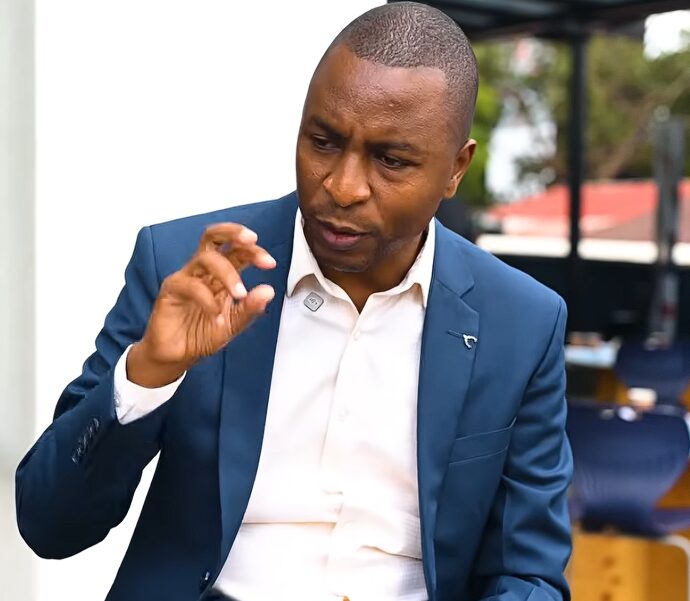
In the landscape of Kenya’s medical fraternity, few stories are as compelling as that of Dr. Bundi Karau, one of the nation’s 20 neurologists. His journey from a humble background to the pinnacle of medical science serves as a powerful testament to the transformative power of education and the relentless pursuit of excellence. Through his recent reflections, Dr. Karau offers a profound look at how cognitive development, discipline, and a philosophy of “service-first” can redefine success in an era often obsessed with instant gratification.
The Anatomy of Success
Dr. Karau’s path was not paved with easy opportunities. He candidly shares that he did not qualify for prestigious national schools like Alliance High School based on his primary school performance. Yet, he bypassed these early limitations through sheer grit and a commitment to self-improvement. He emphasizes that while natural intelligence plays a role, it is “acquired intelligence”—a combination of passion, hard work, and persistence—that ultimately distinguishes the achievers from the dreamers.
“The problem is about when somebody gets that realization,” Dr. Karau notes. “I believe everybody has potential. Some realize early even without somebody prodding them; some need people to push them.” For those in their formative years, he highlights a critical biological window: “Before the age of 23, you are practically a baby. The brain finishes development at the age of 23 years. Before then, you can actually become anything you want.”
Neuroplasticity and the Power of Reading
At the core of Dr. Karau’s success is a deep understanding of neuroplasticity—the brain’s ability to rewire itself based on experience. He is a fierce advocate for reading as the primary engine of this cognitive expansion. He warns against the modern trap of excessive screen time, arguing that it stunts the very growth that deep, immersive reading fosters.
“Nothing else can expand the brain than reading,” he explains. “Nothing else kills the brain more than the screen… The more teenagers read, the more their brain expands. There’s something we call neuroplasticity. The more they are able to integrate more information, the more their worldview increases.”
To manage information overload, he suggests a strategic framework for what to consume: prioritize “must-read” academic material to build a foundation, then supplement it with “important” texts like biographies, “good” reads for overall nourishment, and even “nice” reads like comedy. He stresses that this balanced diet of information is essential for building a well-rounded, resilient intellect.
Redefining the Financial Byproduct
In a conversation that challenges the conventional wisdom regarding career motivation, Dr. Karau shifts the focus from money to meaning. He acknowledges that while medicine is a rewarding career, the primary driver for his grueling years of training was the desire to plug gaps in healthcare and alleviate suffering. He argues that financial stability should never be the starting point, but rather a consequence of doing high-quality work.
“Money comes as a byproduct of some good work you’ve done,” he insists. “If you pursue success, excellence is not guaranteed. But if you pursue excellence, success is guaranteed.” This philosophy echoes through his professional practice, where he views his work as an “escort” role—walking the long, difficult journeys of patients suffering from chronic, non-curable conditions like Parkinson’s disease.
The Necessity of Research and National Investment
Beyond his individual accomplishments, Dr. Karau provides a sobering assessment of the state of scientific discovery in Kenya. He points out that true breakthroughs—such as developing new drugs—are not the result of lone geniuses, but of massive, well-funded teams. He estimates that bringing a single medication to market requires billions of shillings in investment for clinical trials, animal studies, and research infrastructure.
Using the current geopolitical climate as a backdrop, he observes that nations that prioritize the survival and advancement of their scientists often reap immense strategic rewards. “Without research, the world cannot progress,” he notes, pointing to how nations have utilized local innovations to keep their economies and national security afloat during times of crisis. He calls for a shift in focus from short-term gains toward sustainable, long-term investment in local scientific infrastructure.
A Legacy of Service: Escort in Chief
Dr. Karau’s latest memoir, Escort in Chief: Through the Eyes of a Physician, encapsulates these themes. It is a collection of stories about resilience, the realities of chronic disease, and the role of a physician in guiding patients through their darkest moments. By documenting these experiences, he hopes to inspire the next generation to look beyond the immediate lure of material wealth and find value in their contributions to society.
As Kenya looks toward the future, Dr. Karau’s life and work stand as a reminder that the tools for progress—curiosity, discipline, and empathy—are accessible to anyone willing to put in the work. Whether through the rigor of neurology or the storytelling of a memoir, he remains committed to the idea that the greatest asset a nation has is its ability to nurture the potential of its people.

Stateupdate Media Group |SMG
Contributor at State Update.
Related News

Ebola Virus: Aden Duale Gives An Update To Kenyans

Kihika Clears Air On ‘6 Girls in the Jet’ After Gachagua Claims

Heavy Rainfall Alert Issued In Nairobi & These Counties: Floods Risk

West Mugirango Constituency Ready for Grade 9 Learners: MP Stephen Mogaka Confirms Completion of Classrooms
Lenana School KCSE 2024 Results: Performance Analysis and Grade Distribution
Mudavadi Shed Light on Leaving UDA as New Party Rumors Revealed
Latest News

Martha Karua Set to Grace Nakuru as PLP Opens New Offices, Farmers Party Joins Opposition Camp
Ugandans in Kenya Warned After Ruto’s Urgent Directive
Mount Kenya Hawkers Accused of Double Standards Over Ruto’s Foreign Traders Directive: Senator Samson Cherargei Sparks Debate
CS Joho and MP Sudi Deliver Ruto’s Condolences to Tanzania’s President Samia

Kenyans In Burundi Sent A Strong Message By The Government