Ruto Sends A Video Amidst Matatu Strike, Kenyans React

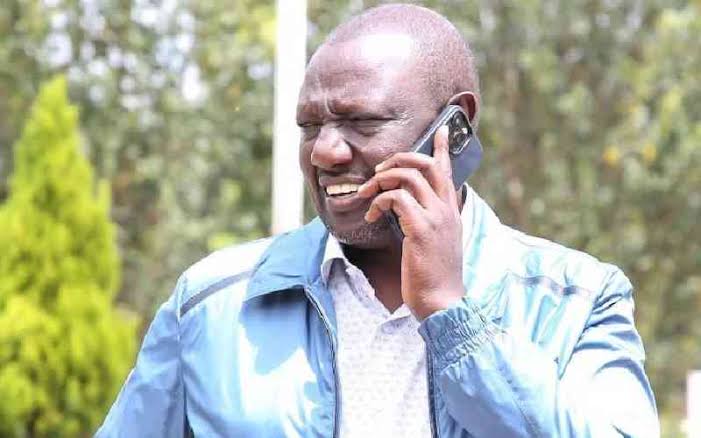
President William Ruto has come under intense criticism online after sharing a video under the hashtag #NyotaBeneficiary highlighting the success story of a man living with disability who started a fruit and vegetable business through government support.
In the video posted on social media, the beneficiary narrates how the NYOTA programme transformed his life after receiving startup capital to establish a small business. The initiative, which is being implemented jointly by the Kenyan government and the World Bank, aims to empower 100,000 youth across the country with KSh50,000 grants to start enterprises at the ward level.
According to the government, the programme is designed to reduce youth unemployment, promote entrepreneurship, and uplift vulnerable groups including persons living with disabilities.
However, the President’s post quickly attracted thousands of reactions from Kenyans expressing frustration over the worsening economic situation in the country. Many users argued that while such empowerment programmes are commendable, they do not reflect the harsh realities facing ordinary citizens struggling with the rising cost of living.
The backlash comes at a time when the country is experiencing a growing transport crisis triggered by soaring fuel prices. Across major towns and highways, matatu operators have staged demonstrations and partial strikes protesting the high cost of diesel and petrol, which they say has made operations unsustainable.
On Monday morning, sections of the busy Kisii–Kericho highway experienced disruptions after matatu operators and drivers parked vehicles along the roadside in protest. Similar scenes were witnessed in Nairobi, Thika, Eldoret, Nakuru, and parts of Western Kenya where commuters were stranded for hours.
Passengers have been forced to dig deeper into their pockets as transport fares continue to rise. In some routes, fares have nearly doubled during peak hours, leaving workers, students, and small-scale traders struggling to commute.
Critics online accused the government of focusing heavily on public relations campaigns while citizens continue to face mounting economic pressure. Others questioned whether the KSh50,000 grants under the NYOTA initiative would be sufficient to sustain businesses in an economy characterized by high taxes, expensive fuel, and declining purchasing power.
Political commentators note that the online response reflects growing public dissatisfaction over economic hardships despite government efforts to showcase development and empowerment programmes.
Transport sector players have also warned that unless fuel prices stabilize, the country could witness prolonged disruptions in public transport and increased prices of basic commodities due to higher transportation costs.
Even as the government continues to defend its economic policies, many Kenyans say immediate interventions are needed to cushion households from the escalating cost of living crisis.
Despite the criticism, supporters of the NYOTA programme have defended the initiative, saying it offers hope to thousands of unemployed youth and vulnerable groups seeking opportunities for self-employment.

Stateupdate Media Group |SMG
Contributor at State Update.
Related News

Alliance High School 2024 KCSE Results: Performance Analysis and Grade Distribution
Bad Day For Ruto As Eldoret Residents Join Kenyans In Matatu Strike
UN Endorses Uhuru Kenyatta’s Mediation Effort in DR Congo as Sanctions Loom

Chaos at Gusii Stadium: Several Fans Injured in Shocking Stampede Between Gor Mahia and Shabana FC Fans

Watch it Live: France vs Senegal | World Cup 2026 Group I Real-Time Analysis & Score Updates
Mau Mau Fighters’ Children Send Tough Warning to Gachagua, Amidst Political Tension in Mt Kenya
Latest News

Martha Karua Set to Grace Nakuru as PLP Opens New Offices, Farmers Party Joins Opposition Camp
Ugandans in Kenya Warned After Ruto’s Urgent Directive
Mount Kenya Hawkers Accused of Double Standards Over Ruto’s Foreign Traders Directive: Senator Samson Cherargei Sparks Debate
CS Joho and MP Sudi Deliver Ruto’s Condolences to Tanzania’s President Samia
Kenyans In Burundi Sent A Strong Message By The Government