Highly Charged Protests Erupt As Matatu Fuel Strike Starts, Kenyans Forced To Walk

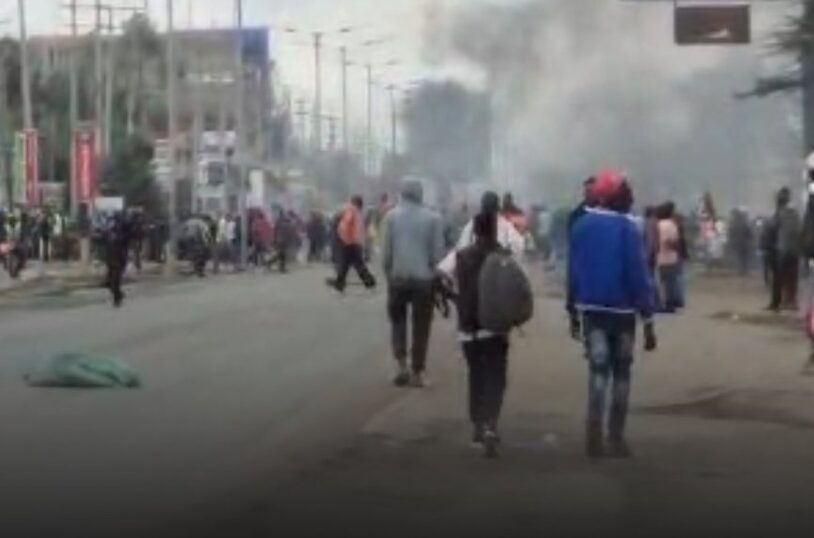
Residents across parts of Kenya on Monday woke up to major transport disruptions as protests over soaring fuel prices intensified, with Kitengela town among the hardest hit areas. Demonstrations, road barricades, and a matatu go-slow paralysed movement in several towns, leaving thousands of commuters stranded and businesses counting losses.
In Kitengela, angry residents and transport operators took to the streets to protest the continued rise in fuel prices, accusing the government of failing to cushion ordinary Kenyans from the escalating cost of living. Major roads leading into the town were rendered impassable after protesters lit bonfires and blocked sections of the roads using stones and debris. Long queues of vehicles stretched for kilometres as police struggled to restore normalcy.
The protests quickly spread to other regions, with Rongai witnessing similar scenes as youths barricaded roads with stones, disrupting traffic and forcing motorists to seek alternative routes. Demonstrators chanted anti-government slogans while calling for urgent intervention to lower the cost of fuel, which they say has pushed transport fares and food prices beyond the reach of many households.
The situation was worsened by a nationwide matatu go-slow organised by public transport operators protesting the increasing operational costs caused by high fuel prices. In Nairobi, thousands of commuters were stranded in bus stages as matatus either delayed operations or stayed off the roads entirely. Many workers were forced to walk long distances to their workplaces, while others remained stranded for hours waiting for transport.
Passengers expressed frustration over the crisis, saying the ripple effects of high fuel prices were being felt in every sector of the economy. Transport fares in some routes reportedly doubled during the morning rush hour as the few available vehicles took advantage of the high demand.
Matatu operators defended the go-slow, arguing that they could no longer sustain operations under the current fuel prices. According to operators, the cost of diesel and petrol has significantly increased their daily expenses, making it difficult to maintain normal transport services without increasing fares. They accused the government of imposing heavy taxes on petroleum products while ignoring the struggles facing ordinary citizens and businesses.
Small-scale traders and business owners in affected towns also lamented the economic losses caused by the demonstrations and transport disruptions. In Kitengela, several shops remained closed for the better part of the morning as fears of chaos and insecurity grew. Market vendors reported low customer turnout due to transport challenges and uncertainty surrounding the protests.
Amid mounting pressure, Treasury Cabinet Secretary John Mbadi assured Kenyans that the government was aware of the growing concerns over fuel prices and would soon hold consultations on possible interventions. Speaking during a media briefing, Mbadi said the government would reconvene upon President William Ruto’s return from Azerbaijan to explore further measures aimed at protecting Kenyans from the soaring cost of fuel.
The fuel crisis continues to pile pressure on households already grappling with the high cost of food, electricity, and other basic commodities. Analysts warn that unless urgent measures are implemented, the country could witness more demonstrations and economic disruptions in the coming weeks as frustration among citizens continues to grow.

Stateupdate Media Group |SMG
Contributor at State Update.
Related News

How to Access Your 2024 KCSE Results

Luo Spokesman Endorsed by Ida Odinga Speaks & Gives Politicial Direction

KIMC Announces Job Opportunities for Jobless Kenyans: How To Apply

KUCCPS Sends Warning To Kenyans Amidst Students Applying To Join Campus

R.I.P! ODM in Mourning Again As Death Strikes Again, Tribute Flow

Best Maize Seeds For Farmers Planting this Long Rains
Latest News

Martha Karua Set to Grace Nakuru as PLP Opens New Offices, Farmers Party Joins Opposition Camp

Ugandans in Kenya Warned After Ruto’s Urgent Directive

Mount Kenya Hawkers Accused of Double Standards Over Ruto’s Foreign Traders Directive: Senator Samson Cherargei Sparks Debate

CS Joho and MP Sudi Deliver Ruto’s Condolences to Tanzania’s President Samia

Kenyans In Burundi Sent A Strong Message By The Government