Bad Day For Ruto As Eldoret Residents Join Kenyans In Matatu Strike

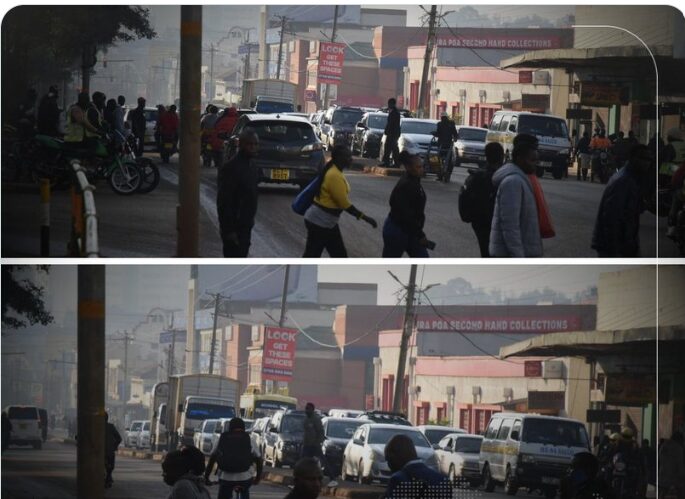
A difficult political and economic moment is unfolding for President William Ruto as residents of Eldoret City, located in his home county of Uasin Gishu, were among thousands of Kenyans left stranded following the nationwide matatu strike triggered by soaring fuel prices.
Commuters in Eldoret were forced to walk long distances to work and school after many matatus withdrew services or significantly reduced operations in protest against the rising cost of fuel. Major bus stages within the city experienced confusion and long queues as frustrated passengers struggled to secure transport, while some motorists hiked fares due to increased demand.
The strike, which affected several towns and cities across the country, exposed the growing pressure facing ordinary Kenyans as the cost of living continues to rise. In Eldoret, many residents expressed disappointment that the transport crisis had reached the President’s political backyard, arguing that wananchi were increasingly feeling abandoned amid tough economic conditions.
Business activities within the city were also disrupted, with some traders opening late due to transport difficulties. Workers arriving late to offices and students stranded at bus stops painted a grim picture of the impact of the fuel crisis on daily life.
Public transport operators defended the nationwide strike, saying high fuel prices had made it nearly impossible to sustain normal operations without government intervention. Operators argued that continued increases in petrol and diesel prices had drastically raised operational costs, forcing many matatu owners to either increase fares or suspend services altogether.
The demonstrations and transport paralysis come at a sensitive time for the Kenya Kwanza administration, which is already facing mounting criticism over the high cost of living. Opposition leaders and sections of civil society have accused the government of overtaxing fuel products and failing to implement effective measures to cushion Kenyans from economic hardship.
Amid the growing public outcry, Treasury Cabinet Secretary John Mbadi said the government would reconvene upon President Ruto’s return from Azerbaijan to discuss additional interventions aimed at protecting Kenyans from soaring fuel costs.
Mbadi acknowledged the pressure facing households and businesses, noting that the government was closely monitoring the situation. However, the statement has already sparked debate online, with some Kenyans questioning why urgent measures could not be implemented immediately as the country grapples with transport disruptions and rising commodity prices.
Political analysts warn that continued fuel price increases could trigger wider social unrest if lasting solutions are not found quickly. With protests erupting in various parts of the country and commuters bearing the brunt of the crisis, pressure is mounting on the government to provide immediate relief and restore confidence among struggling citizens.

Stateupdate Media Group |SMG
Contributor at State Update.
Related News

Kiabonyoru or Sironga? Nyamira University Location Clarified By Mp Osoro Amidst Speculations

BOM Selection Panel Checklist for Recruitment of Junior Secondary School Teachers on PnP

How Mechanical Engineer & Literature Graduate Built a Multi-Million Farm Together

Caribbean Musician Thriving in Organic Farming in Kenya

All Eyes on Minnesota as Dr. Ombati Hosts Ex-CS Fred Matiang’i

Israel Strikes Iranian Intelligence in Tehran: Regional Escalation and Africa’s Fuel Price Shock
Latest News

Martha Karua Set to Grace Nakuru as PLP Opens New Offices, Farmers Party Joins Opposition Camp

Ugandans in Kenya Warned After Ruto’s Urgent Directive

Mount Kenya Hawkers Accused of Double Standards Over Ruto’s Foreign Traders Directive: Senator Samson Cherargei Sparks Debate

CS Joho and MP Sudi Deliver Ruto’s Condolences to Tanzania’s President Samia

Kenyans In Burundi Sent A Strong Message By The Government