French President Speaks Amidst Gachagua’s Attack, Send Ruto A Message

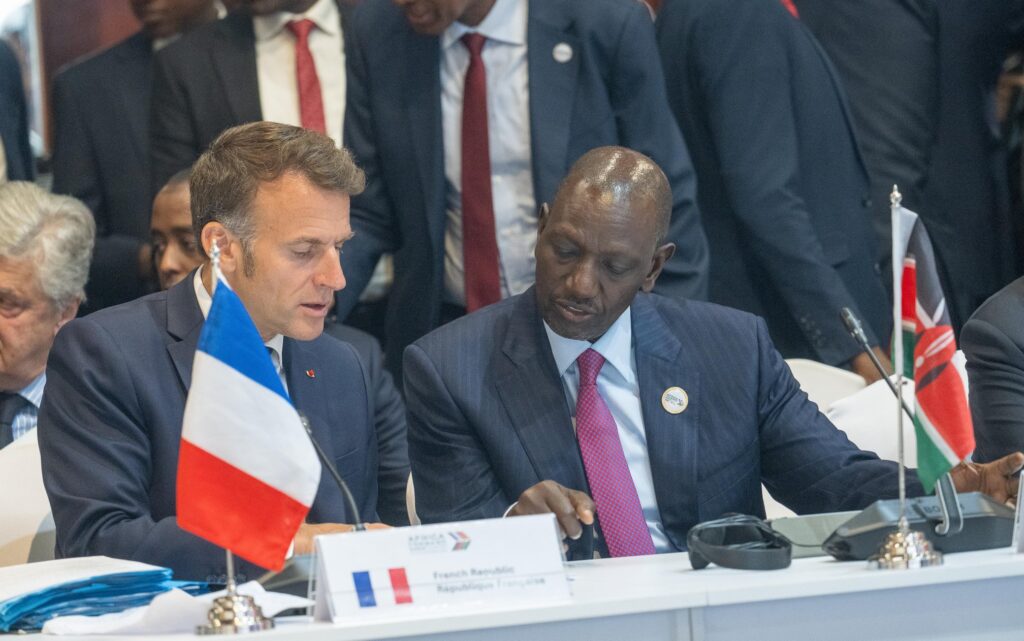
French President Emmanuel Macron has reached out to Kenyan President William Ruto with a message of solidarity following the recent attack on Deputy President Rigathi Gachagua. In a post shared on social media, Macron wrote: “Asante @WilliamsRuto, asante Kenya!” — a phrase in Swahili meaning “thank you,” which immediately struck a chord with Kenyans.
The timing of Macron’s message is significant. It comes amid heightened political tensions in Nairobi, where Gachagua has openly criticized Ruto’s leadership and his decision to host the Africa Forward Summit. Macron’s words, though brief, carried symbolic weight: they underscored France’s recognition of Kenya’s resilience and its leadership under Ruto, while also signaling international concern over the safety of senior government officials.
Observers note that Macron’s deliberate use of Swahili was more than a diplomatic courtesy — it was a cultural gesture aimed at connecting directly with the Kenyan people. Analysts suggest this move could strengthen bilateral ties, especially as France and Kenya continue to collaborate on climate action, trade, and regional security.
Sources close to State House indicate that President Ruto welcomed the message warmly, viewing it as reassurance of Kenya’s place on the global stage. Political analysts believe Macron’s intervention may help ease tensions by reframing Kenya’s internal crisis within a broader context of international solidarity.
Yet Gachagua struck a defiant tone. In a press briefing on Tuesday, he urged UN Secretary-General António Guterres and Macron to raise “human rights concerns and regional security threats” with Ruto, while claiming French firms benefited from a controversial compensation payout linked to a cancelled road project.
“We thank the UN Secretary General for coming to Nairobi so that we address him from here on the danger that the Horn of Africa faces courtesy of his host Mr. William Ruto,” Gachagua said.
He further argued that Ruto’s summit was a political “sideshow” designed to seek international “affirmation” and “reprieve” from domestic pressure, insisting it would not benefit ordinary Kenyans.

Stateupdate Media Group |SMG
Contributor at State Update.
Related News

Why Most Rappers Stay Broke: Octopizzo’s Hard Truths on Poverty, Hustle, and Financial Discipline
Lenana School KCSE 2024 Results: Performance Analysis and Grade Distribution
Raphael Tuju Opens Up on Jubilee Exit and 2027 Political Plans
Otiende Amollo Sparks Political Uproar After Explosive Remarks on Government Bias
Jubilee Offers Conditional Support to Raila Odinga Ahead of 2027 – Murathe Issues a Warning to Odinga
Caribbean Musician Thriving in Organic Farming in Kenya
Latest News
Martha Karua Set to Grace Nakuru as PLP Opens New Offices, Farmers Party Joins Opposition Camp
Ugandans in Kenya Warned After Ruto’s Urgent Directive
Mount Kenya Hawkers Accused of Double Standards Over Ruto’s Foreign Traders Directive: Senator Samson Cherargei Sparks Debate
CS Joho and MP Sudi Deliver Ruto’s Condolences to Tanzania’s President Samia
Kenyans In Burundi Sent A Strong Message By The Government