From 104 Pitches Rejection to a Multinational Breakthrough : The Resilient Journey of Cedric Nzomo

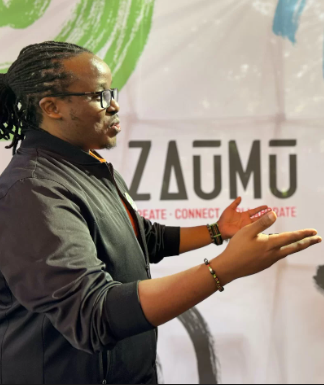
In the high-stakes world of entrepreneurship, “failure” is often discussed in the abstract—a necessary stepping stone mentioned in commencement speeches or glossy memoirs. But rarely do we hear the granular, grueling details of what it feels like to face rejection over 100 times before seeing a single cent in return.
In a candid conversation serial entrepreneur Cedric Nzomo pulled back the curtain on his “failure season.” It is a story of grit, the psychological toll of survival mode, and a staggering 104-pitch marathon that nearly ended in defeat before it transformed into a multinational success.
The Long Drought
Nzomo, who today runs a thriving content marketing agency and studio, didn’t start at the top. When he launched his current venture alongside two long-term partners, the team seemed like a “dream team” on paper. They possessed a seasoned marketer, a sales veteran, and an expert in operations and production. With a solid resume and a validated concept, Nzomo estimated they would be “chilling” within three months.
The market, however, had other plans.
What followed was a year-long test of endurance. By the six-month mark, the team had pitched to 50 different businesses, creating 50 bespoke proposals and receiving 50 rejections. To keep the lights on for their team of eight, they pivoted to pro bono work and “exposure” projects. They took on small social media contracts for as little as 15,000 Kenyan Shillings a month—a sum that barely covered the cost of water and electricity, let alone the salaries of a professional staff.
The Turning Point
The lowest point came when Nzomo realized that their high-quality proposals were being used against them. In one instance, a bank they pitched to for a rebranding project rejected their bid, only to launch a website months later featuring the exact copy and messaging Nzomo’s team had written.
“I realized I was giving people the full playbook,” Nzomo reflected. “I was doing the work for free and then asking them to pay for it afterward. It’s like washing someone’s car and then asking for money—if they didn’t ask you to do it, why would they pay?”
This realization forced a strategic pivot. They stopped giving away the “execution” during the pitch process and started focusing on “direction.” They began setting boundaries, protecting their intellectual property, and demanding a level of commitment before unveiling the full strategy.
The “Gym-Style” Partnership
The bridge between 50 failures and 104 pitches was built on the strength of partnership. Nzomo admitted that during the darkest months, he found himself sitting in job interviews, convinced the business was a lost cause. He would walk out of those interviews, return to the office, and look at his partner, Dan—who happened to be his former gym instructor.
In a moment of doubt, Nzomo asked Dan why they were still pushing. Dan’s simple response—”Because it’s a good idea”—was the psychological fuel Nzomo needed. The partnership acted as a safety net; when one partner was at 20% capacity, the others held the line. This “gym-style” mentality of refusing to let the other person drop the weight was what eventually carried them past the 100-pitch mark.
Falling Safely
Using the analogy of an Olympic gymnast, Nzomo argues that the most important skill for an entrepreneur isn’t knowing how to succeed, but knowing how to fall.
“Any of these gymnasts are taught how to fall safely first, because for sure you’re going to fall,” he explained. For Nzomo, falling safely meant moving out of “survival mode.” He noted that the worst business decisions—the ones that lead to legal trouble or long-term debt—are almost always made out of desperation. By learning to detach from the immediate panic of a “quick fix,” he was able to steer the company toward sustainable growth.
The 104th Pitch
The breakthrough finally arrived in December, a full year after they started. The last two pitches of the year—numbers 103 and 104—were successful. They weren’t small local contracts; they were major multinational brands.
Today, Nzomo’s agency has grown to 20 employees and handles projects across the globe. He now spends a portion of his time consulting for businesses and creators, helping them “professionalize” their operations and avoid the pitfalls he encountered during his year of rejection.
His message to aspiring entrepreneurs is simple: don’t compare your beginning to someone else’s middle. “People see where we are now and think we’ve succeeded more than them,” Nzomo said. “The truth is, we’ve just failed more than you. We didn’t stop at pitch 70. We didn’t stop at pitch 100. We just kept going until the ‘yes’ finally arrived.”

Stateupdate Media Group |SMG
Contributor at State Update.
Related News

Hollywood to Inglewood: Top LA-neighborhoods for big-stadium logistics in USA

A Million Remote Jobs Is Not Rocket Science: Dan Njiriri’s Vision for Kenya’s Digital Workforce

Are You Destined To Be Rich or Poor? Lessons from John Kamau Arvocap Asset Managers

The Only Powerful Politician Who Could Save Nyaribo From Impeachment

Osoro Warns on Planned Gen Z Demos: Claims Opposition Plotting Chaos

Enhancing Education: West Mugirango MP Steve Mogaka Distributes Over 1,500 Desks and Lockers to JSS Classrooms
Latest News

Martha Karua Set to Grace Nakuru as PLP Opens New Offices, Farmers Party Joins Opposition Camp

Ugandans in Kenya Warned After Ruto’s Urgent Directive

Mount Kenya Hawkers Accused of Double Standards Over Ruto’s Foreign Traders Directive: Senator Samson Cherargei Sparks Debate

CS Joho and MP Sudi Deliver Ruto’s Condolences to Tanzania’s President Samia

Kenyans In Burundi Sent A Strong Message By The Government