Details Leak As Ruto’s Phone Call to Gachagua’s Doctor During Impeachment Emerges

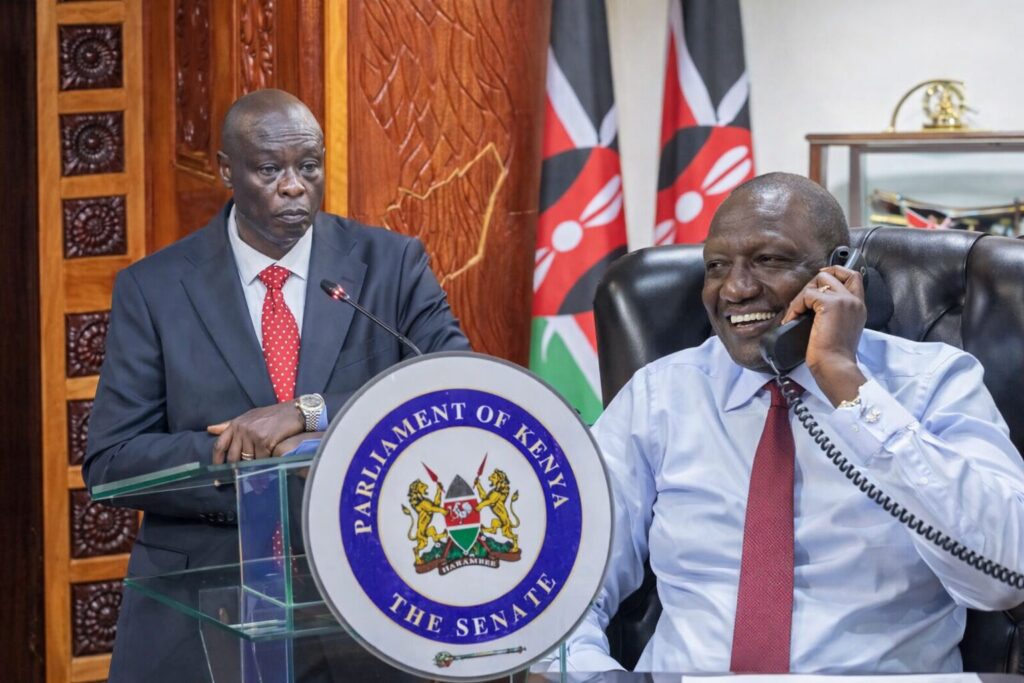
A sworn affidavit has disclosed that President William Ruto personally called cardiologist Dr. Daniel Gikonyo on October 17, 2024, to inquire about the health of his then‑Deputy President, Rigathi Gachagua. The revelation adds a dramatic twist to the already tense impeachment proceedings that culminated in Gachagua’s removal from office.
According to Dr. Gikonyo, the call came while he was attending to Gachagua at Karen Hospital, where the former deputy had been admitted with severe chest pain. The timing was critical: the Senate was in the midst of debating and ultimately upholding impeachment charges against Gachagua. The affidavit now forms part of evidence in a constitutional petition challenging the legality of the impeachment.
The disclosure underscores the human dimension of the political crisis. While Ruto and Gachagua had been at odds politically, the President’s direct intervention suggests concern for his deputy’s wellbeing. Yet, it also raises questions about whether Gachagua’s medical condition compromised his ability to participate in the proceedings, potentially undermining the fairness of the process.
Legal experts note that the affidavit could influence the High Court’s assessment of whether due process was followed. If the court finds that Gachagua was medically unfit to defend himself, the impeachment could be deemed unconstitutional. Politically, the revelation may reshape public perception, portraying Ruto as compassionate while simultaneously fueling debate about the treatment of leaders under trial.
As the petition moves forward, the affidavit stands as a pivotal piece of evidence. It highlights the intersection of health, law, and politics in Kenya’s governance, and may set a precedent for how medical incapacity is handled in future high‑level political trials.

Stateupdate Media Group |SMG
Contributor at State Update.
Related News
‘Mr Speaker Sir’ Protestor Who Stormed Parliament Reveals Next Move

The 100K Weekly Blueprint: How to Build a Sustainable Agribusiness with Papaya Farming
The Best Beachfront Resorts In Miami USA For Major Event Weekends
Who Killed Rachel Wandeto for Drawing Ruto’s Photo? Mishi Mboko Reveals and Curses Him
Kasipul MP Charles Ong’ondo Were Shot Dead in Nairobi
Details On President Moi Security Details Emerge As Ruto’s Security Is Changed
Latest News
Martha Karua Set to Grace Nakuru as PLP Opens New Offices, Farmers Party Joins Opposition Camp
Ugandans in Kenya Warned After Ruto’s Urgent Directive
Mount Kenya Hawkers Accused of Double Standards Over Ruto’s Foreign Traders Directive: Senator Samson Cherargei Sparks Debate
CS Joho and MP Sudi Deliver Ruto’s Condolences to Tanzania’s President Samia
Kenyans In Burundi Sent A Strong Message By The Government