Tension High Over Strait of Hormuz Iran Issues A Strict Warning to The US

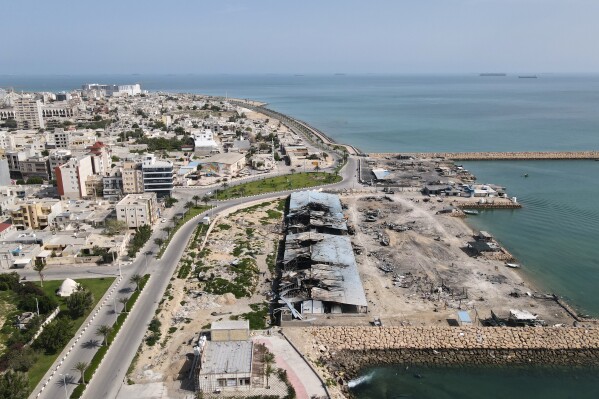
The fragile ceasefire between the United States and Iran is showing signs of unraveling after a series of tense exchanges and fresh attacks in the Strait of Hormuz. Iranian leaders have issued stark warnings, while Washington has responded with equally forceful rhetoric, raising fears that the conflict could escalate once again in one of the world’s most critical waterways.
Iran’s parliament speaker declared that the United States and its allies have “jeopardized secure shipping” following a day of attacks in the Strait of Hormuz. He added ominously, “we have not even begun yet,” signaling Tehran’s readiness to intensify hostilities if provoked.
The statement came after reports of Iranian strikes targeting vessels and infrastructure linked to U.S. partners in the region.
President Donald Trump, when pressed on whether the ceasefire remains intact, declined to give a definitive answer. Instead, he warned that Iranian forces would be “blown off the face of the Earth” if they targeted U.S. ships. The remark underscores Washington’s determination to maintain freedom of navigation in the strait, through which nearly a fifth of the world’s oil supply passes.
At the Pentagon, U.S. Secretary of Defense Pete Hegseth and Chairman of the Joint Chiefs of Staff General Dan Caine held a briefing to address the situation. Both officials emphasized that American forces remain on high alert and are coordinating closely with allies, including Israel, which is reportedly preparing for a potential new round of strikes should the ceasefire collapse.
The Pentagon’s message was clear: while Washington is not seeking renewed war, it will respond decisively to any Iranian aggression. Analysts note that this balancing act—deterring attacks while avoiding escalation—has become increasingly difficult as both sides test the limits of the ceasefire.
The United Arab Emirates, a key U.S. ally in the Gulf, found itself under direct attack for the first time since the ceasefire began in early April. Iranian drones struck a major oil port, sparking a fire and forcing emergency crews to contain the damage. The UAE’s defense ministry confirmed the incident and vowed to strengthen its defenses against further strikes.
This attack highlights the vulnerability of Gulf states that rely heavily on oil exports and maritime trade. It also raises questions about whether Iran is deliberately targeting U.S. partners to pressure Washington into concessions.
Global markets reacted swiftly to the renewed tensions. Oil prices, which surged above $100 a barrel in recent weeks, dipped slightly today but remain elevated amid fears of supply disruptions. Traders are bracing for volatility, as any escalation in the Strait of Hormuz could choke off shipments and send prices soaring.
Stock markets, which fell sharply yesterday, showed signs of recovery today as investors weighed the likelihood of a prolonged conflict. Still, uncertainty remains high, with energy companies and shipping firms most exposed to the fallout.
The Strait of Hormuz has long been a flashpoint in U.S.–Iran relations. For Tehran, the waterway represents leverage against Western powers that depend on its safe passage for energy supplies. For Washington and its allies, keeping the strait open is a strategic imperative tied to global economic stability.
The latest developments suggest that the ceasefire, brokered only weeks ago, is hanging by a thread. With Iran signaling that “the fight has not begun,” and the U.S. warning of overwhelming retaliation, the risk of miscalculation looms large.
Diplomatic efforts to salvage the ceasefire are expected to intensify in the coming days, but the path forward is uncertain. Israel’s coordination with Washington points to preparations for military action, while Gulf allies are reinforcing defenses against drone and missile attacks. Meanwhile, global markets remain on edge, watching closely for signs of escalation.
The coming weeks will test whether cooler heads can prevail or whether the Strait of Hormuz will once again become the epicenter of a broader regional conflict. For now, the ceasefire remains tenuous, and the stakes—economic, political, and human—could not be higher.

Stateupdate Media Group |SMG
Contributor at State Update.
Related News

Rape Allegation Rocks British Army in Kenya Amid Rising Anger Over Unpunished Crimes

The Strategic 2026 Guide to American Stocks: Make high returns and Identify Modern Opportunities

Shabana FC Lead the Kenya Premier League 2025/26 After Impressive Start

Kebirigo High School 2024 KCSE Results: Performance Analysis and Grade Distribution

University Announces Free Online Courses to Kenyans; How to Register

Systemic Failure or Moral Collapse? Dr. Ombati Outlines Blueprint to End Kenya’s School Unrest Crisis
Latest News

Martha Karua Set to Grace Nakuru as PLP Opens New Offices, Farmers Party Joins Opposition Camp

Ugandans in Kenya Warned After Ruto’s Urgent Directive

Mount Kenya Hawkers Accused of Double Standards Over Ruto’s Foreign Traders Directive: Senator Samson Cherargei Sparks Debate

CS Joho and MP Sudi Deliver Ruto’s Condolences to Tanzania’s President Samia

Kenyans In Burundi Sent A Strong Message By The Government