Ruto ‘Tutam’ Plans Receives Major Boost As Tanzania MPs Reveal Exciting Details

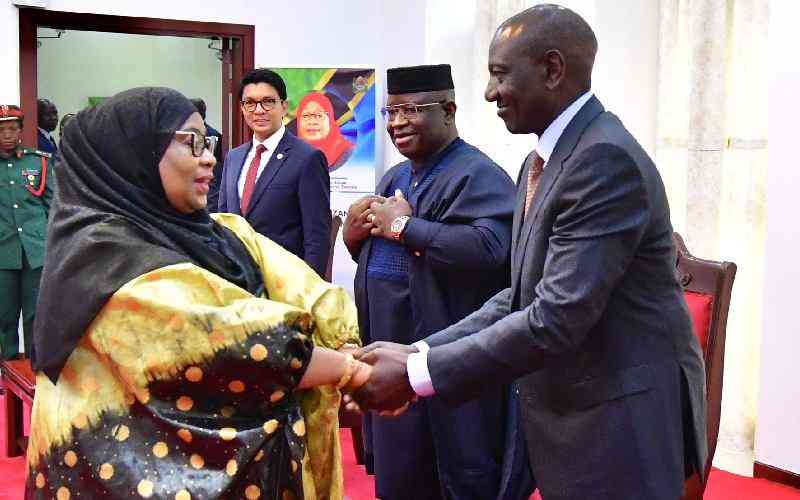
The state visit by Kenyan President Dr. William Samoei Ruto to the United Republic of Tanzania, culminating in a landmark address to the National Assembly (Bunge) in Dodoma, has been hailed as a turning point in East Africa’s diplomatic and economic trajectory.
The session, marked by rare cross-border camaraderie and mutual admiration, went beyond ceremonial protocol to signal a strategic realignment of two of the region’s largest economies. As Tanzanian Members of Parliament showered the Kenyan leader with praise, the underlying message was clear: the era of competitive isolationism is over, and a new era of radical collaboration has begun.
The Symbolic Power of Unity
The atmosphere within the August House was one of profound respect and inspiration, described by the Speaker of the National Assembly as “monumental.” Tanzanian MPs rose to offer a vote of thanks that felt more like a celebration of brotherhood than a formal parliamentary procedure. The reception served as a public validation of the personal and political bond between President Ruto and his Tanzanian counterpart, President Samia Suluhu Hassan.
Several MPs emphasized that Ruto is regarded not merely as a foreign head of state, but as a “kipenzi” (beloved one) and a “brother” to the Tanzanian people. This linguistic shift—from “neighbor” to “brother”—reflects a deeper psychological integration fostered by the two leaders. References to historical figures like Mwalimu Julius Nyerere and Mzee Jomo Kenyatta suggested that the current leadership is finally fulfilling the pan-African dreams of the founding fathers, long overshadowed by trade disputes and border closures.
Strategic Infrastructure and Economic Synergy
Concrete outcomes of the visit were highlighted through discussions on strategic infrastructure projects binding the two nations. The East African Crude Oil Pipeline (EACOP) and the proposed refinery in Tanga were cited as tangible benefits of renewed cooperation. MPs from Tanga expressed gratitude for the decision to build a refinery in their region, noting that such projects exemplify the results modern leadership must deliver.
The discourse expanded beyond trade to the concept of “East African Value Chains.” Professor Palamagamba Kabudi, a seasoned diplomat and scholar, urged Kenya, Tanzania, and Uganda to embrace their “historical responsibility” to move the region forward. He argued that the time has come to stop exporting raw materials and instead produce “Made in East Africa” goods for the global market. This vision of a unified manufacturing hub directly responds to global economic trends that favor large, integrated trade blocs over fragmented markets.
Overcoming the Ghost of 1977
A recurring theme was the determination to avoid past mistakes. Kabudi referenced the ideological rifts of the 1960s and the eventual collapse of the original East African Community in 1977, warning against repeating those failures. He praised the current leadership under Ruto and Samia for displaying the bold vision needed to sustain integration.
Speakers also invoked history by recalling the 2002 address by the late President Daniel arap Moi, who told Tanzanian MPs that “our people will never move forward unless we are united.” By linking Ruto’s 2026 visit to Moi’s message, Tanzanian leaders underscored the continuity of Kenya’s commitment to regional unity, framing Ruto’s bottom-up “Hustler” diplomacy as the logical progression of East African integration.
The Role of Faith and Personal Diplomacy
The session revealed a strong reliance on shared cultural and spiritual values to cement political ties. Multiple MPs used biblical references and prophetic language to describe Ruto’s leadership, with one even calling him “God’s anointed” and praying for his protection. Some went further, wishing him success in Kenya’s 2027 general elections—a bold gesture that reflects how invested Tanzanian leaders feel in his continued leadership.
This spiritual diplomacy resonates deeply with populations in both nations, where faith plays a central role in daily life. It humanizes politics and creates a sense of shared destiny. The mention of First Lady Rachel Ruto and her “Mama Doing Good” initiatives highlighted the soft power dimension of the visit, with Tanzanian women leaders expressing interest in closer collaboration between the two First Ladies.
Institutionalizing Cooperation
The Speaker of the National Assembly emphasized that the relationship must extend beyond the executive level to include legislatures. Cooperation through the Commonwealth Parliamentary Association and other regional bodies was highlighted as a way to institutionalize integration, ensuring it is not dependent solely on individual presidents.
The Speaker also praised President Samia’s internal policy of “Reconciliation” (the 4Rs: Reconciliation, Resilience, Reforms, and Rebuilding), noting her success in bringing opposition figures back into the fold and fostering a culture of “One Tanzania, One Nation.” By presenting this as a model, Tanzanian leaders suggested that regional stability depends on internal cohesion—a message that resonates strongly in a region often troubled by post-election instability.
A New Chapter for East Africa
President Ruto’s address in Dodoma was more than a diplomatic courtesy; it was a symbolic and strategic declaration of unity. The warmth of the Tanzanian parliament’s reception, the emphasis on shared history, and the focus on tangible economic projects all point to a new chapter in East African relations. As Kenya and Tanzania move from competitive isolationism to radical collaboration, the vision of a united, prosperous East Africa—once a dream of the founding fathers—appears closer than ever before.

Stateupdate Media Group |SMG
Contributor at State Update.
Related News
Ruto’s Bold Move: Banking Boss Habil Olaka Takes Over Hustler Fund Leadership

Heavy Rainfall Alert Issued In Nairobi & These Counties: Floods Risk
‘May Her Soul Rest in Peace’ Rachel Ruto Mourns

Duale Gives Updates On Ebola In Kenya Announces New Measures

Govt Takes Action Against Police Linked to Albert Ojwang’s Death
US Govt Finally Breaks Silence After Ebola Facility Demonstrations, Issues Warnings
Latest News

Martha Karua Set to Grace Nakuru as PLP Opens New Offices, Farmers Party Joins Opposition Camp
Ugandans in Kenya Warned After Ruto’s Urgent Directive
Mount Kenya Hawkers Accused of Double Standards Over Ruto’s Foreign Traders Directive: Senator Samson Cherargei Sparks Debate
CS Joho and MP Sudi Deliver Ruto’s Condolences to Tanzania’s President Samia
Kenyans In Burundi Sent A Strong Message By The Government