Iran Leaks: US Sabotage Claims Ignite Gulf Tensions

The latest escalation in the Iran conflict has once again placed the Strait of Hormuz and the wider Gulf region at the center of global attention, with the United Arab Emirates reporting that its air defenses intercepted ballistic and cruise missiles fired from Iran.
A fire broke out at an oil facility in Fujairah after what officials described as a drone attack, though Iranian state media quoted an unnamed military official denying that there was any “planned” strike on the energy infrastructure, instead blaming what they called “US military adventurism” for the renewed violence. The incident underscores the fragile state of the ceasefire and the volatility of the region, where the strategic waterway remains a flashpoint for confrontation between Iran, the United States, and their allies.
The UAE’s announcement marks a significant development, as it is one of the first times since the ceasefire began that the country has faced direct strikes of this magnitude. Fujairah, a key oil hub, is vital for global energy markets, and any disruption there has immediate consequences for oil prices and shipping security.
The fire at the facility was quickly contained, but the symbolism of the attack is clear: Iran is signaling its ability to target critical infrastructure in allied states, even as it denies responsibility for deliberate escalation. For the UAE, the incident highlights the risks of being a close partner of Washington in a conflict that is increasingly spilling across borders.
The United States has responded with heightened warnings, particularly in Iraq, where its embassy issued a stark advisory to citizens. The statement cautioned against air travel in Iraqi airspace, citing the risks posed by missiles, drones, and rocket-propelled grenades. It further noted that Iran-aligned militias continue to plan attacks against American citizens and US-associated targets throughout Iraq. The embassy urged Americans to depart the country immediately, underscoring the seriousness of the threat environment. This warning reflects the broader regional picture: Iran’s network of allied militias across Iraq, Syria, and Lebanon provides it with multiple avenues to pressure US forces and partners, complicating Washington’s military posture.
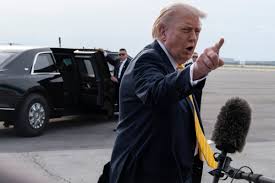
The Pentagon has already signaled its readiness to respond to Iranian aggression. Defense Secretary Pete Hegseth and General Dan Caine, Chairman of the Joint Chiefs of Staff, reiterated that US forces remain on high alert and are coordinating closely with allies, including Israel. Reports suggest Israel is preparing for potential new strikes should the ceasefire collapse entirely. President Donald Trump has taken a hard line, warning that Iranian forces would be “blown off the face of the Earth” if they targeted US ships. His rhetoric reflects Washington’s determination to maintain freedom of navigation in the Strait of Hormuz, through which nearly 20 percent of global oil supply passes, but also risks further inflaming tensions.
Iran, for its part, has framed the latest incidents as a consequence of US actions. By blaming “military adventurism,” Tehran is attempting to shift responsibility for the escalation, portraying itself as reacting to provocations rather than initiating attacks. This narrative is consistent with Iran’s broader strategy of leveraging ambiguity—denying direct involvement while signaling capability and intent. The statement from the Iranian military official suggests that Tehran wants to keep its options open, maintaining pressure without committing to full-scale confrontation.
The economic impact of these developments is already being felt. Oil prices remain above $100 a barrel, reflecting the market’s sensitivity to instability in the Gulf. While prices dipped slightly after the UAE contained the fire, traders remain wary of further disruptions. Stock markets, which had fallen sharply in response to earlier attacks, showed signs of recovery, but volatility is expected to continue as long as the threat of escalation looms. Energy companies and shipping firms are particularly exposed, with insurers likely to raise premiums for vessels transiting the Strait of Hormuz.
The strategic stakes could not be higher. The Strait of Hormuz has long been a pressure point in US-Iran relations, with Tehran viewing it as leverage against Western powers dependent on its safe passage. For Washington and its allies, keeping the strait open is a non-negotiable priority tied to global economic stability. The latest attacks demonstrate how quickly the situation can deteriorate, with even a single drone strike capable of sparking fires, disrupting trade, and rattling markets. The risk of miscalculation is significant, as both sides test the limits of deterrence and retaliation.
Diplomatic efforts to salvage the ceasefire are expected to intensify, but the path forward is uncertain. The UAE, Israel, and other regional allies are reinforcing defenses, while Washington weighs its options for deterrence. Iran’s warnings that “the fight has not even begun” suggest that Tehran is prepared to escalate further if it perceives continued provocation. Meanwhile, the humanitarian dimension of the conflict is becoming more pronounced, with civilians in Iraq, the UAE, and potentially other Gulf states facing the consequences of missile and drone attacks.
The unfolding crisis illustrates the interconnected nature of modern conflicts, where actions in one theater reverberate across the region. The attacks on the UAE, the warnings in Iraq, and the rhetoric from Washington and Tehran are all part of a broader struggle for influence and security in the Middle East. For the international community, the priority remains preventing a slide into full-scale war, which would have devastating consequences for global energy supplies, regional stability, and international security.
As events continue to unfold, the world watches closely. The ceasefire, already fragile, appears to be hanging by a thread. The next moves by Washington, Tehran, and their allies will determine whether the Strait of Hormuz becomes the epicenter of a broader regional conflict or whether diplomacy can pull the region back from the brink. For now, the situation remains tense, volatile, and fraught with danger, with the lives of civilians and the stability of global markets in the balance.

Stateupdate Media Group |SMG
Contributor at State Update.
Related News

Caribbean Musician Thriving in Organic Farming in Kenya

Broad-Based Family? The Political Dynasty Behind Kenya’s Power Sparks National Debate

Beautiful Photos of KMTC Student Who Collapsed and Died During Romantic Night With Mubaba

From Firebrand to Fallen Hero: The Untold Story of Former MP Mathew Lempurkel’s Final Days

Stephen Mogaka Launches Construction of Bondeni–Magombo Tarmac Road in West
Tension High Over Strait of Hormuz Iran Issues A Strict Warning to The US
Latest News

Martha Karua Set to Grace Nakuru as PLP Opens New Offices, Farmers Party Joins Opposition Camp

Ugandans in Kenya Warned After Ruto’s Urgent Directive

Mount Kenya Hawkers Accused of Double Standards Over Ruto’s Foreign Traders Directive: Senator Samson Cherargei Sparks Debate

CS Joho and MP Sudi Deliver Ruto’s Condolences to Tanzania’s President Samia

Kenyans In Burundi Sent A Strong Message By The Government