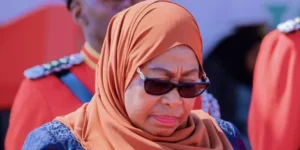
How Millie’s Bold Words Kick Off a Huge Political Fight

Suba North MP has sparked fresh political heat with a bold and emotional message that many now see as the beginning of a bigger confrontation.
In her statement, Odhiambo didn’t sound like someone backing down. Instead, she came across as a leader who feels the pressure has built up for too long—and now something has to give. According to her, the current tension isn’t random or sudden. It’s the result of years of holding back, and that patience has finally run out.
At the same time, she showed a human side. She acknowledged that many of her supporters are feeling torn, caught between opposing political sides. While she sympathized with their frustration, she also asked them to stay calm for now, suggesting that this moment—no matter how uncomfortable—is necessary.
Odhiambo also took a moment to respond to personal attacks directed at her, including criticism about her age and identity. But instead of reacting emotionally, she chose to stay composed, brushing off the insults and maintaining her focus. It’s a reflection of how Kenyan politics often mixes serious issues with personal battles.
Beyond the tension and emotions, her main message was actually about development—and who gets credit for it.
She raised concern over what she sees as a growing trend where leaders claim ownership of projects they didn’t fund. According to her, some initiatives supported by the national government or even NGOs are being wrongly presented as county or NG-CDF projects.
To make her point clear, she mentioned developments like the Homa Bay Fish Market and the stadium, insisting that such projects should be credited correctly. She emphasized that these are national government efforts under President , and not tools for political branding at the local level.
But she didn’t stop at criticism—she also revealed her next move.
Odhiambo announced plans to roll out a community-by-community campaign that will compare county-funded projects with those financed through NG-CDF. The idea is to break down where the money comes from, how it is used, and how projects are presented to the public.
This signals a shift in her approach—from just speaking politically to backing it up with data and evidence. And if implemented, it could stir even deeper debates around accountability and transparency across the country.
She ended her message with a warning: this is just the beginning.
As political tensions continue to rise ahead of the , Odhiambo’s remarks point to a bigger battle brewing—not just over power, but over truth, perception, and who controls the narrative.
One thing is clear: whatever fire she’s talking about is still burning—and the coming days could change how development politics is fought in Kenya.

Humphrey Cheruiyot
Contributor at State Update.
Related News
Treasury Ordered to Slash Debt to 55% by 2029

Tight Security as Butere Girls Stage ‘Echoes of War’ at Melvin Jones Hall, Nakuru

Egesa FM Set to host Lively Finance Bill Panelist Discussion at Nyamira Heights
There was Cheating and Malpractice in 2024 KCSE Exam, MoE Confirms Ahead of Results Release

Chaos, Arrests, and Teargas: Inside Kenya’s Anti-Abduction Protests Shaking the Nation
TSC CEO Nancy Macharia Reveals the Exact Number of Teachers Employed in Junior Secondary School
Latest News
Martha Karua Set to Grace Nakuru as PLP Opens New Offices, Farmers Party Joins Opposition Camp
Ugandans in Kenya Warned After Ruto’s Urgent Directive
Mount Kenya Hawkers Accused of Double Standards Over Ruto’s Foreign Traders Directive: Senator Samson Cherargei Sparks Debate
CS Joho and MP Sudi Deliver Ruto’s Condolences to Tanzania’s President Samia
Kenyans In Burundi Sent A Strong Message By The Government