Residents of US Ebola Centre in Kenya Proposed Center Break Silence

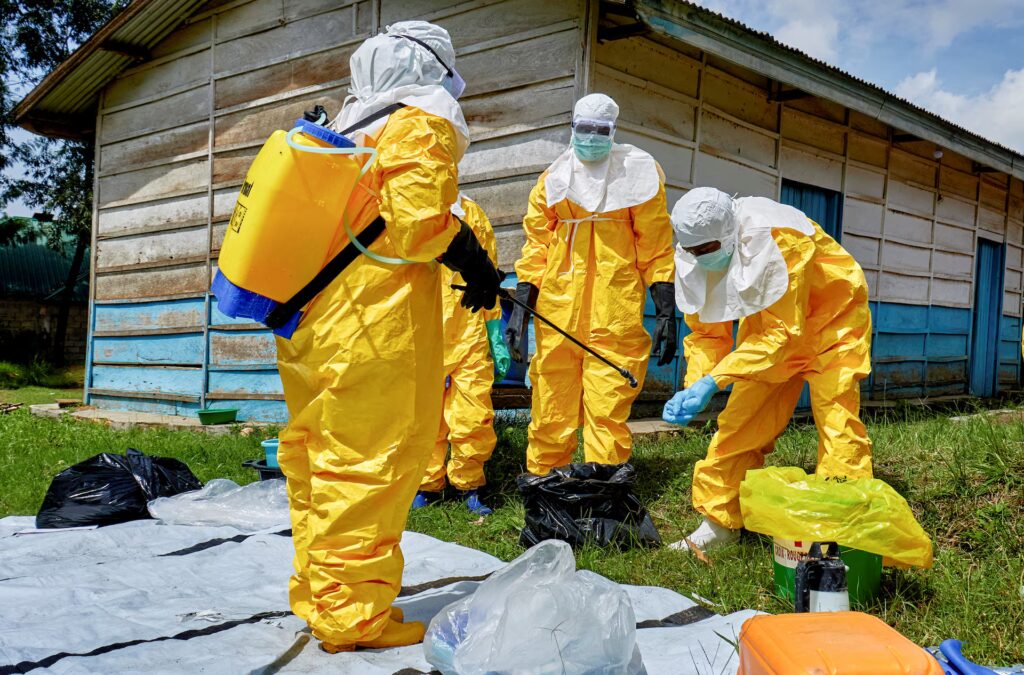
Outrage is mounting in Laikipia as residents speak out against the government’s plan to host a United States‑backed Ebola quarantine and treatment facility at the Laikipia Airbase. The announcement has sparked a wave of protests, legal petitions, and union threats, with locals insisting their safety and welfare are being sacrificed for international interests.
Community leaders and residents argue the project exposes Kenyans to unnecessary risk. “We are not guinea pigs,” one resident said during a tense public forum. “Why should Kenya host a disease facility meant for foreigners?”
Civil society groups have taken the matter to court. The Katiba Institute filed a petition at the High Court in Nairobi demanding urgent conservatory orders to halt the project, while the Law Society of Kenya lodged a parallel suit citing constitutional violations and lack of public participation.
Adding pressure, the Kenya Medical Practitioners, Pharmacists, and Dentists Union (KMPDU) issued a 48‑hour strike notice, demanding full disclosure of the agreement between Nairobi and Washington. Union leaders accused the government of “deliberately bringing the disease into Kenya” and questioned why neighboring countries were not considered.
Government officials, however, remain steadfast. Health Cabinet Secretary Aden Duale defended the plan, saying Kenya has a duty to contribute to global health security. He assured citizens that strict safety measures would be implemented, emphasizing that the facility is about preparedness, not exposure.
But in Laikipia, trust is eroding. Residents fear the airbase’s proximity to civilian communities could make them vulnerable in case of an outbreak. Local leaders have demanded parliamentary oversight, insisting that the decision cannot be left to the executive alone. “Our people’s lives are not negotiable,” said Laikipia North MP Sarah Lekorere.
The controversy has ignited broader questions about governance, transparency, and priorities. Critics accuse the government of hypocrisy, pointing to underfunded hospitals and neglected health infrastructure. “If billions can be spent on an Ebola center for foreigners, why not invest in our own healthcare system?” asked one activist.
As legal battles intensify and union threats loom, Laikipia residents remain resolute. Their voices, once muted, now dominate the national conversation. Whether the government presses ahead or bows to public pressure, the debate has already exposed a deep fault line between Kenya’s global ambitions and the everyday fears of its citizens.

Stateupdate Media Group |SMG
Contributor at State Update.
Related News

The Wreaths ‘Problem’ at Raila Odinga’s Grave: Today’s Newspaper Review
“Do Not Close School” Crisis in Kenya’s Education System as Stakeholders Demand Action, Reveals Government’s Plan

Nakuru Lanet Youth Empowerment Group, Trailblazers Run Club Champion Mental Health Awareness Through Walk

A Bright Mind Deserves a Chance: An A- Form One Dropout Seeks Help to Continue His Education

Skyline Escapes: The Top Luxury Rooftop Pool Hotels in Houston USA for a Spectacular Summer Stay

Citizen Tv Rashid Abdalla Sad As Kidney Complications Patient Narrates Her Story
Latest News

Martha Karua Set to Grace Nakuru as PLP Opens New Offices, Farmers Party Joins Opposition Camp

Ugandans in Kenya Warned After Ruto’s Urgent Directive

Mount Kenya Hawkers Accused of Double Standards Over Ruto’s Foreign Traders Directive: Senator Samson Cherargei Sparks Debate

CS Joho and MP Sudi Deliver Ruto’s Condolences to Tanzania’s President Samia
Kenyans In Burundi Sent A Strong Message By The Government