Iran–US War’s Hidden Cost: Climate Change, Environmental Damage, and Global Fallout

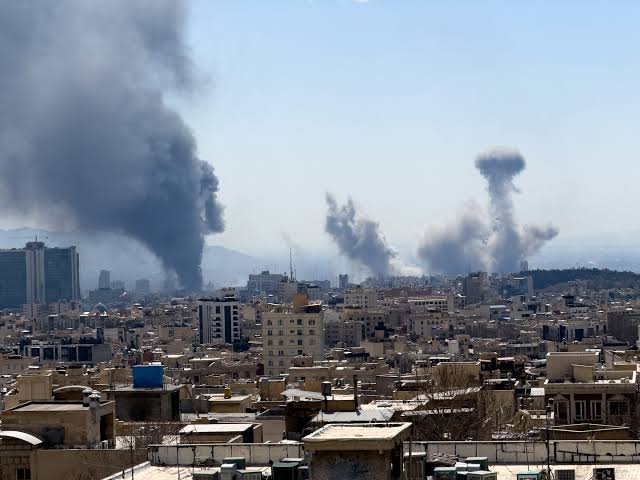
The escalating conflict between Iran and the United States, with Israel’s involvement, is not only reshaping geopolitics but also leaving a devastating imprint on the environment.
Wars are often measured in human casualties and political outcomes, but their hidden costs—on air, water, soil, biodiversity, and climate—are equally profound.
The Iran–US war is no exception, with experts warning that the environmental fallout could last decades.
Air Pollution and Toxic Fallout
Bombings, missile strikes, and burning infrastructure release massive amounts of pollutants into the atmosphere.
Tehran, already struggling with chronic air pollution due to geography and vehicular emissions, now faces intensified contamination from explosions and fires. Toxic air is spreading across Iran, Kuwait, and the UAE, choking populations and worsening respiratory illnesses.
The use of bunker-busting bombs and heavy artillery adds particulate matter, heavy metals, and chemical residues to the air. These pollutants contribute to smog, acid rain, and long-term atmospheric degradation, exacerbating climate change by increasing greenhouse gas emissions.
Soil and Water Contamination
Strikes on nuclear and military facilities pose a grave risk of soil and water contamination. Bombing sites such as Fordo, Isfahan, and Natanz nuclear facilities released radioactive and chemical materials into surrounding ecosystems.
Contaminated soil can render farmland unusable, while polluted water sources threaten both human health and biodiversity.
Oil and gas infrastructure targeted during the war has spilled hydrocarbons into rivers and groundwater. These spills poison aquatic life, reduce agricultural productivity, and create long-term ecological dead zones.
Biodiversity Loss and Habitat Destruction
The war has devastated ecosystems across Iran and neighboring regions. Forests, wetlands, and agricultural lands have been destroyed by bombings and fires.
Wildlife populations are displaced or killed, while migratory species face disrupted habitats. Conservationists warn that biodiversity loss from the conflict could set back environmental progress by decades.
Military bunkers, fortifications, and scorched-earth tactics fragment habitats, making it harder for species to recover. The destruction of green spaces also reduces carbon sequestration, worsening climate change impacts.
Climate Change Acceleration
Wars contribute to climate change in multiple ways:
- Carbon Emissions: Military operations consume vast amounts of fossil fuels. Fighter jets, tanks, and naval fleets burn millions of liters of fuel, releasing carbon dioxide and methane.
- Infrastructure Fires: Burning oil refineries, power plants, and industrial sites release greenhouse gases and black carbon, which accelerates global warming.
- Disrupted Climate Policy: Countries embroiled in war divert resources away from renewable energy and climate adaptation, slowing global progress toward emissions reduction.
The Iran–US war risks undoing years of international climate cooperation, as nations prioritize military spending over environmental commitments.
Humanitarian and Environmental Intersection
The environmental toll directly affects human survival. Toxic air and water increase disease burdens, while destroyed farmland leads to food insecurity. Refugees fleeing conflict zones often settle in fragile ecosystems, putting additional pressure on natural resources.
In Iran, thousands are already suffering from respiratory illnesses linked to pollution. In neighboring countries, rising fuel prices and disrupted trade exacerbate economic hardship, making climate adaptation even more difficult.
How Investigations and Accountability Will Happen
International bodies such as the United Nations Environment Programme (UNEP) and the International Atomic Energy Agency (IAEA) are expected to assess the environmental damage. Investigations will focus on:
- Measuring radioactive contamination at bombed nuclear sites.
- Monitoring air quality and toxic emissions across affected regions.
- Assessing biodiversity loss and habitat destruction.
- Documenting greenhouse gas emissions from military operations.
Reports will likely take months, but they will be critical in holding parties accountable and guiding environmental recovery efforts.
Global Implications
The war’s environmental impact is not confined to Iran. Toxic air and water pollution can cross borders, affecting the Persian Gulf, South Asia, and even Africa through atmospheric circulation. Rising oil prices and disrupted energy flows also push countries to rely more on coal and other polluting fuels, worsening global emissions.
Europe, already struggling with energy insecurity, may face setbacks in its climate goals. Africa, vulnerable to climate shocks, will suffer from higher fuel costs and reduced capacity to invest in renewable energy.
The Iran–US war is more than a geopolitical crisis—it is an environmental catastrophe. From toxic air and contaminated water to biodiversity loss and accelerated climate change, the conflict’s ecological footprint will last for generations. While military leaders focus on battlefield victories, the hidden war against nature may prove even more destructive.
Global institutions must act swiftly to investigate, document, and mitigate the environmental damage. Without accountability and urgent climate action, the war risks pushing humanity closer to irreversible ecological tipping points.

Job Maangi| Reporter
Contributor at State Update.
Related News

Come Arrest Me, I’ll Be Waiting With Tea- Gachagua Dares Ruto

Good News To Teachers As TSC Makes A New Move

Oburu Odinga Hospitalised in Nairobi as Family Considers UK Treatment

Ruto Achokoza Nyuki: Newspaper Review & News Making Headlines

How Millie’s Bold Words Kick Off a Huge Political Fight

World’s First Pregnancy Robot Developed, Set for 2026 Launch
Latest News
Martha Karua Set to Grace Nakuru as PLP Opens New Offices, Farmers Party Joins Opposition Camp

Ugandans in Kenya Warned After Ruto’s Urgent Directive

Mount Kenya Hawkers Accused of Double Standards Over Ruto’s Foreign Traders Directive: Senator Samson Cherargei Sparks Debate
CS Joho and MP Sudi Deliver Ruto’s Condolences to Tanzania’s President Samia
Kenyans In Burundi Sent A Strong Message By The Government