Principals from Hell — Teachers Split Over SHA Medical Cover

Kenya’s education sector and teaching fraternity are once again in the spotlight, as today’s dailies expose deep-seated challenges within schools and growing dissatisfaction among teachers over government policy shifts.
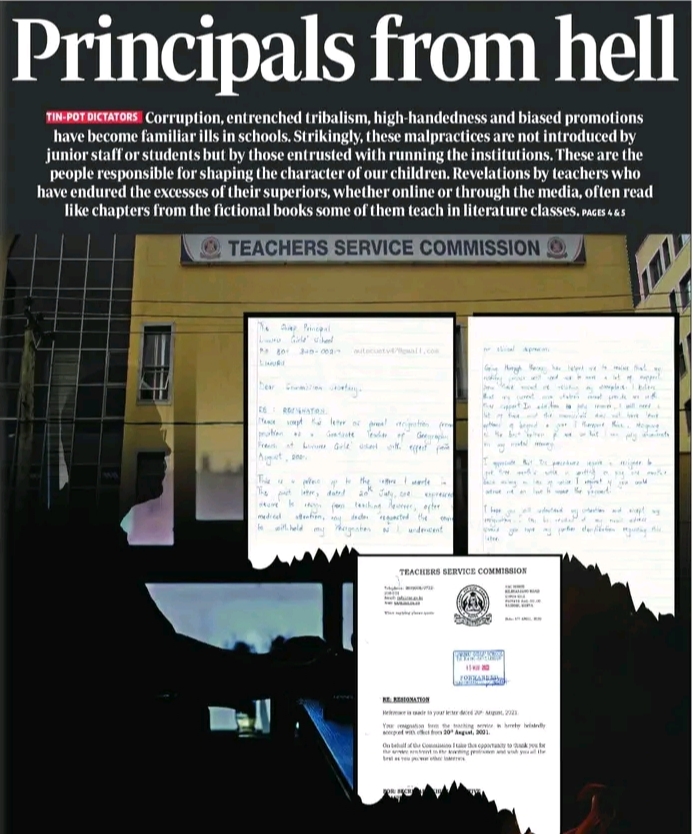
The Standard newspaper front page leads with a hard-hitting headline — “Principals from Hell” — capturing the frustrations of teachers who accuse some school heads of dictatorship, corruption, and tribalism. The exposé paints a grim picture of leadership rot in learning institutions, where those tasked with nurturing young minds have allegedly turned schools into fiefdoms of fear and favoritism. The report highlights cases of intimidation, biased promotions, and unchecked authority, likening some principals’ conduct to despotic rulers. The revelations are not only shocking but also raise moral and ethical questions about the integrity of Kenya’s education leadership.
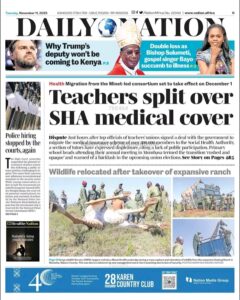
The Nation features a story titled “Teachers Split Over SHA Medical Cover.” The article details the growing rift among teachers following the government’s decision to move their medical insurance to the Social Health Authority (SHA). Although union leaders signed the deal, a section of teachers feels the process was rushed and lacked public participation. During their annual heads’ meeting in Mombasa, primary school leaders criticized the transition as “opaque,” warning that the move could trigger backlash during upcoming union elections. This dispute reflects simmering mistrust between teachers and their union representatives, who are often accused of failing to fully consult their members before major policy decisions.
In other news, the Nation reports that the High Court has once again halted police recruitment following a petition challenging the legality of the exercise. The court cited possible constitutional violations and overreach by the National Police Service, underscoring persistent governance and procedural concerns within the security sector.

Meanwhile, the Star newspaper takes a political angle with its headline “Ruto Plots to Split Opposition, Targets Kalonzo & Wamalwa.” The story suggests renewed political maneuvering by President William Ruto aimed at weakening the opposition ahead of the 2027 general election. The report claims the president is reaching out to key opposition figures, signaling a strategic realignment in the country’s political landscape.
Overall, Tuesday’s papers capture Kenya’s current tensions — from corruption and leadership crises in schools to divisions in the teaching fraternity and the ever-evolving political chess game at the national level. The education stories, in particular, serve as a wake-up call on the need for accountability, transparency, and leadership reform within the institutions shaping the country’s future generation.

Stateupdate Media Group |SMG
Contributor at State Update.
Related News

DCI Nabs Sh4.2 Million Worth Drugs in Anti-Narcotics Raid
“You Have Crossed the Red Line” U.S. Issues Warning to Muhoozi, Reveals Next Action
Uhuru and Ruto’s Secret Meeting Unveiled: Is a Political Truce Brewing Behind the Scenes?
TSC Requirements and Qualifications for Appointment to Deputy Principal II (Secondary School) – T-Scale 12
“We won’t Allow Tribalism’ UDA Sec General Warns Matatu Owners Amid Fuel Crisis

Crowds at Matiang’i Rallies! Why United Opposition Should be Worried?
Latest News
Martha Karua Set to Grace Nakuru as PLP Opens New Offices, Farmers Party Joins Opposition Camp
Ugandans in Kenya Warned After Ruto’s Urgent Directive
Mount Kenya Hawkers Accused of Double Standards Over Ruto’s Foreign Traders Directive: Senator Samson Cherargei Sparks Debate
CS Joho and MP Sudi Deliver Ruto’s Condolences to Tanzania’s President Samia
Kenyans In Burundi Sent A Strong Message By The Government