Ebola: Finally The Number Of Arrivals At USA Ebola Facility In Laikipia Revealed

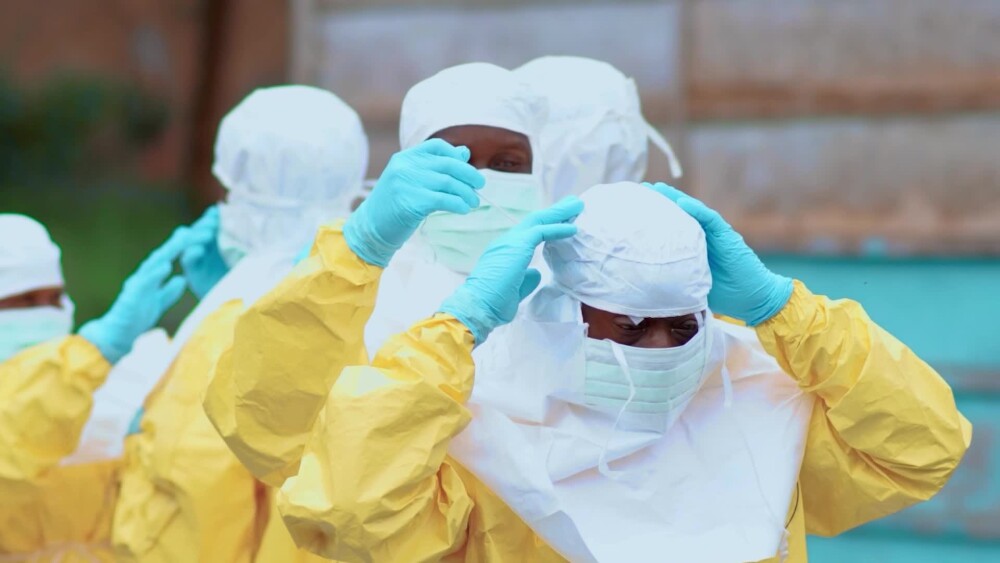
US Equipment, Experts Arrive at Laikipia Ebola Facility Despite Court Suspension and Deadly ProtestsNanyuki, Kenya — Around 20 US military flights have delivered equipment, a 50-bed isolation unit, and medical specialists to Laikipia Air Base, advancing plans for an Ebola quarantine facility even as a Kenyan High Court order suspends operations and local protests have turned deadly.
Flight tracking data and official sources confirm that at least six military aircraft, including C-130 and C-17 transports, landed at the base near Nanyuki since late May, with several arrivals occurring after the court intervention.
The deliveries include physicians, laboratory experts, and other personnel intended to monitor asymptomatic Americans exposed to Ebola during outbreaks in the Democratic Republic of Congo and Uganda.
The facility forms part of a $13.5 million US-Kenya health partnership aimed at strengthening emergency response capabilities. Kenyan officials, including President William Ruto and Health Cabinet Secretary Aden Duale, have defended the project, arguing it enhances national preparedness and could benefit local communities in case of an outbreak.
“It is part of a long-standing partnership,” Ruto stated, emphasizing decades of bilateral health cooperation.
However, the initiative has sparked significant controversy. The Kenyan High Court, under Justice Patricia Nyaundi, first suspended the plan last week and extended the block on Tuesday, barring further steps until at least June 23.
The ruling followed petitions from groups like the Katiba Institute and Law Society of Kenya, citing risks to public health, lack of transparency, and constitutional concerns over hosting foreign patients.
Protests in Nanyuki turned violent, with reports of two deaths amid clashes. Hundreds of youths demonstrated against the facility, expressing fears that it could endanger nearby communities despite assurances of strict biosecurity protocols at the military base.
Critics question why the facility targets US personnel rather than bolstering Kenya’s broader health infrastructure. US officials maintain the unit is a temporary measure to avoid repatriating potentially exposed Americans directly home, aligning with updated protocols amid the DRC outbreak.
As legal proceedings continue, the continued arrivals raise questions about compliance with judicial orders and the balance between international health security cooperation and national sovereignty. Kenyan authorities have pledged full disclosure of the agreement as demanded by the court.

Stateupdate Media Group |SMG
Contributor at State Update.
Related News
How Proper Spacing Prevents Disease Spread in Beans

Transit-Friendly Lodging: Hotels Closest to Seattle’s Link Light Rail

How Elvis W Built a Digital Skills Business From Zero

Segero Adventist School Chesowos KCSE 2024 Results Analysis and Grade Distribution

St. Anthony’s Boys High School – Kitale KCSE 2024 Results: Performance Analysis and Grade Distribution

Money Making Business Opportunities for University Students in 2025
Latest News

Martha Karua Set to Grace Nakuru as PLP Opens New Offices, Farmers Party Joins Opposition Camp

Ugandans in Kenya Warned After Ruto’s Urgent Directive

Mount Kenya Hawkers Accused of Double Standards Over Ruto’s Foreign Traders Directive: Senator Samson Cherargei Sparks Debate
CS Joho and MP Sudi Deliver Ruto’s Condolences to Tanzania’s President Samia
Kenyans In Burundi Sent A Strong Message By The Government